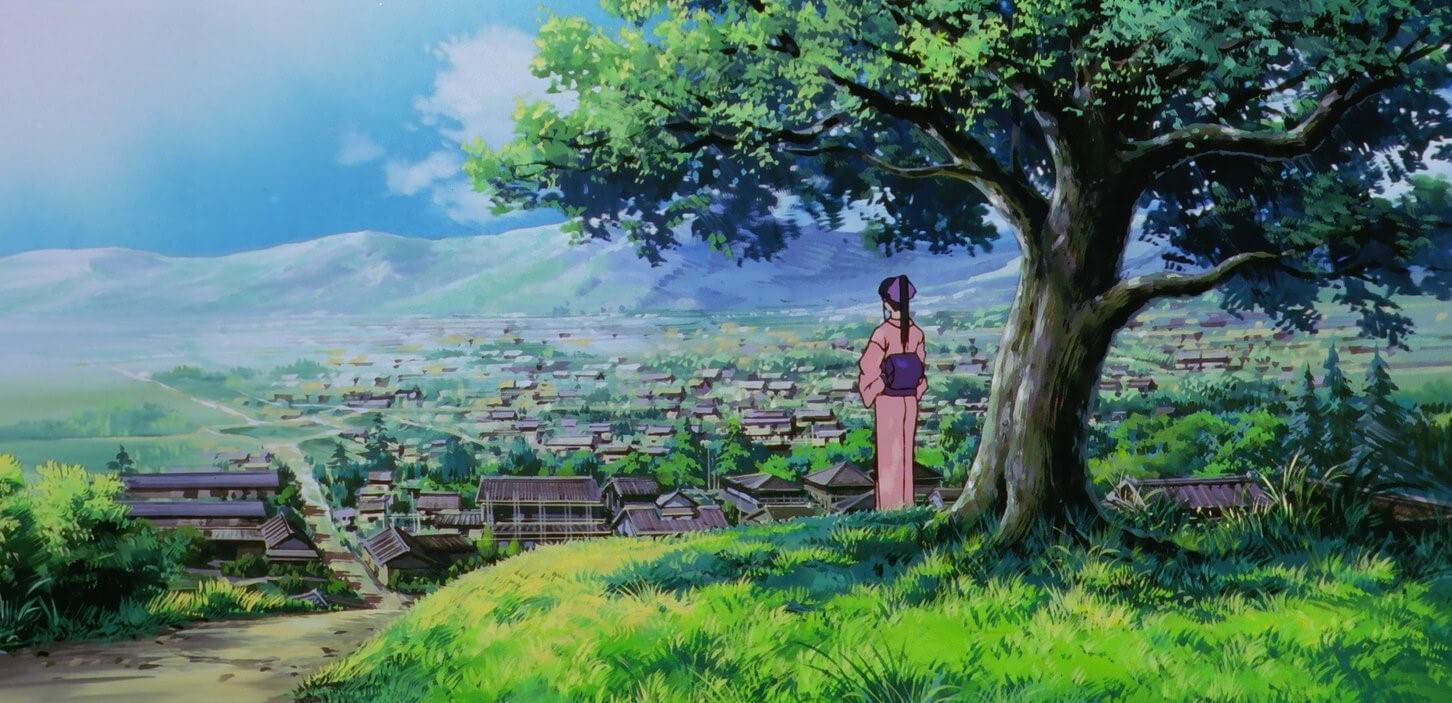
Anime, the Japanese art form that has captivated global audiences for decades, is often celebrated for its compelling characters, intricate plots, and vibrant animation styles. However, one of the most underrated elements of anime is the background art. These meticulously crafted scenes provide not only a setting but also enrich the narrative, offering subtle clues and heightening the emotional impact of the narrative. Let’s delve into the world of anime backgrounds and explore why they deserve more recognition.
The Evolution of Background Art in Anime
First beginnings
In the early days of anime, backgrounds were relatively simplistic and primarily served as functional spaces for characters to interact. series like astro boy (1963) and speed runner (1967) featured rudimentary backgrounds that conveyed the essential elements of a scene without too much detail. However, as technology and artistic techniques evolved, so did the complexity and beauty of background art.
via GIPHY
The rise of detailed environments
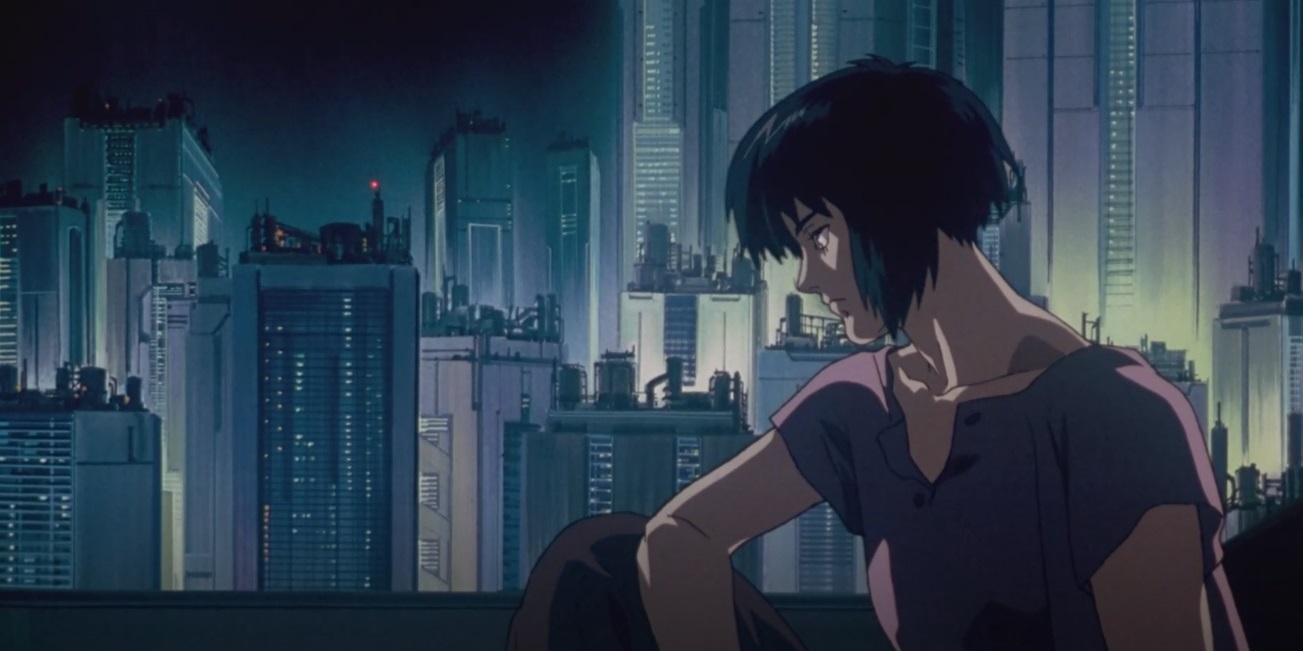
In the 1980s and 1990s, anime as akira (1988) and ghost in the shell (1995) began to show intricately detailed environments. These films pushed the boundaries of what background art could achieve, combining cyberpunk aesthetics with meticulous attention to detail. Dystopian landscapes and futuristic cityscapes became almost characters in their own right, reflecting the themes and mood of the stories.
The role of background art in storytelling
Set the tone
Background art is essential in setting the tone of an anime. A serene countryside, a bustling metropolis, or a post-apocalyptic wasteland can instantly convey the mood of a scene. Take, for example, the tranquil, almost dreamlike environments of my neighbor totoro (1988), which evoke a sense of nostalgia and wonder. In contrast, the harsh urban landscapes of Attack on Titan (2013) reinforce the series’ themes of desperation and survival.
Improve emotional impact
Background can also amplify the emotional impact of key moments. in your name (2016), the stunningly beautiful depictions of rural Japan contrast starkly with the vibrant cityscapes of Tokyo, highlighting the distance and differences between the protagonists’ lives. These backgrounds not only serve to delight the eye, but also deepen the audience’s emotional connection with the characters and their journeys.
Symbolism and omen
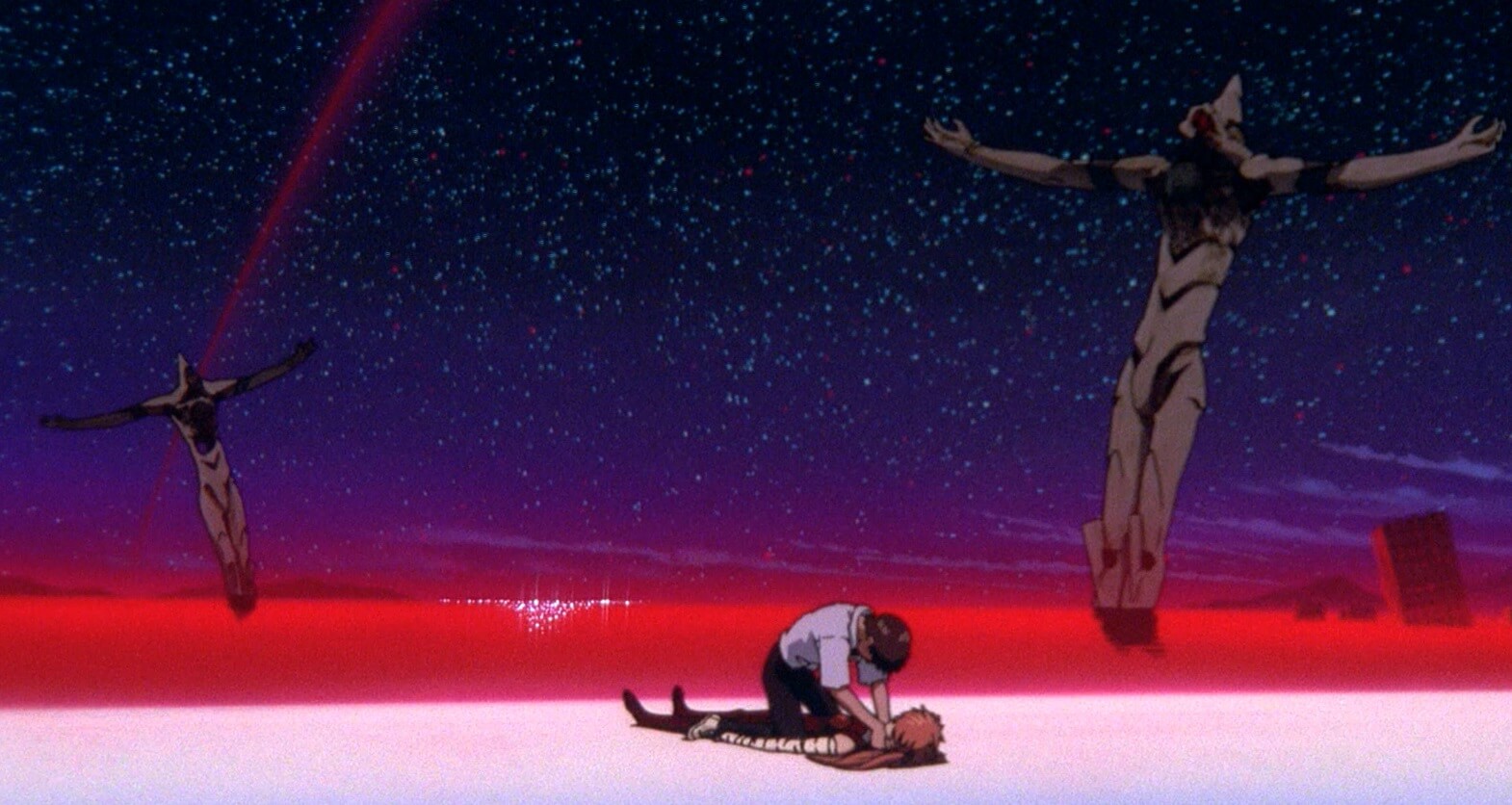
Astute viewers will notice that the backgrounds often have symbolic meanings or foreshadow future events. In Neon Genesis Evangelion (1995), the desolate, apocalyptic ruins frequently shown in the background hint at underlying themes of human frailty and existential dread. Similarly, the repeated use of certain visual motifs, such as cherry blossoms in Clannad (2007), can symbolize themes of transience and the passage of time.
Related: Religious symbolism in Neon Genesis Evangelion explained
The artists behind the magic
The anonymous heroes
Creating anime backgrounds is a collaborative effort involving numerous talented artists. Studios like Studio Ghibli and Kyoto Animation are famous for their exceptional background art, thanks to the dedication and skill of their background artists. These artists spend countless hours researching, drawing and painting to bring these worlds to life.
Notable background artists
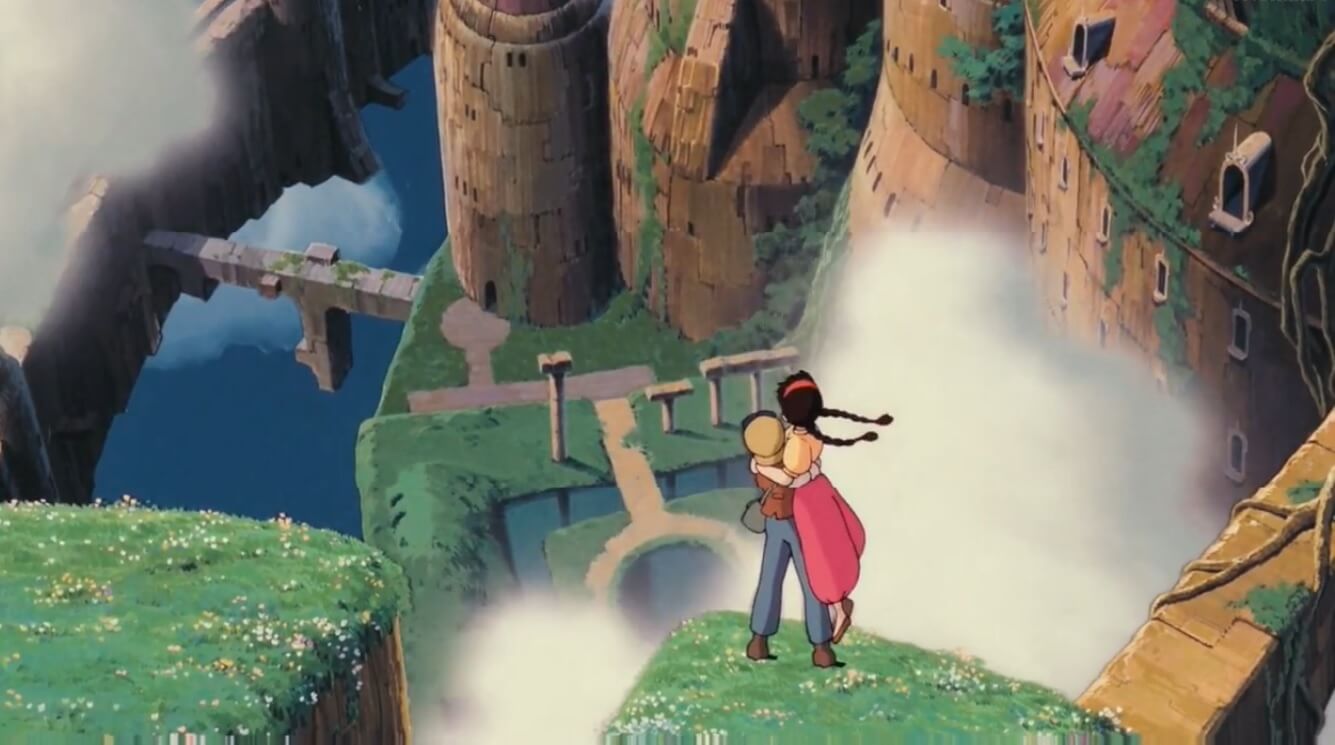
Some background artists have become legends in their own right. Makoto Shinkai, before becoming a celebrated director, started out as a background artist, and his films are known for their stunning hyper-realistic backgrounds. Another notable artist is Kazuo Oga, whose work on Studio Ghibli films such as my neighbor totoro and Princess Mononoke (1997) has set a high standard for background art in the industry.
The future of background art in anime
Digital Revolution
The arrival of digital technology has revolutionized background art, allowing for more complex and dynamic scenes. Digital tools allow artists to experiment with lighting, textures, and perspective in ways that traditional methods could not. This evolution is evident in recent animes such as demon slayer (2019), where the backgrounds are not only incredibly detailed but also seamlessly integrated with CGI elements.
via GIPHY
Preserving traditional techniques
Despite the rise of digital tools, there is a growing appreciation for traditional painting techniques. Some studios continue to combine digital and traditional methods to preserve the handcrafted feel of classic anime. This hybrid approach ensures that the art of background painting continues to evolve while respecting its roots.
Related: Must Watch Classic Anime Movies Based on Literature
Anime backgrounds are much more than just settings; They are vital components of the storytelling process, enriching narratives and deepening emotional resonance. As the anime industry continues to innovate, it’s essential to recognize and celebrate the artists who create these stunning worlds. So, the next time you watch your favorite anime, take a moment to appreciate the artistry of the backgrounds: these unsung heroes of visual storytelling.