METROYou may not know it, but the anime show you’re watching may be part of the curriculum for a college literature class. Even dragon ball and monkey magic In fact, it may give you an idea of the literature. Both shows have characters based on Monkey, a character from a story Wu Cheng-en based on ancient chinese legend Journey to the Westwhich traces the origins of Buddhism.
It shows the exciting quests of Tripitaka and his disciples Pigsy, Sandy and Monkey traveling from China to India on a sacred pilgrimage with many dangers. Monkey is equipped with a magical wishing staff that can grow to any size. He is also an expert in bojutsu (stick fighting), kung fu and can fly using clouds (sound familiar, yet?). Some sources even point to this monkey as the origin of the phrase “Hear no evil, see no evil, speak no evil.”
When I was much younger, I watched a series called Umi no Toriton (Sea Triton). It featured a child of the ocean fighting sea deities led by Poseidon. Actually, Triton in Greek mythology is a god of the sea and son of Poseidon and Amphitrite. He lives with them in a golden palace in the depths of the sea. He rides the waves on the backs of horses and sea monsters and carries a conch, which he blows violently or gently to agitate or calm the waves. Triton is shown with the body of a man and the tail of a fish, but sometimes also with the front legs of a horse.
I also watched two religious animes: they are Anime Oyako Gekijo (Animated Parent-Child Theater) and Tondera House no Daiboken (The Adventures of Time Tonderhouse Classroom). Yes, that is Superbook and the flying house. From them I learned many stories and parables from both the Old and New Testaments.
But that’s not all, there’s more! Nippon Animation produced an anime series called World Masterpiece Theatre, all of them based on works of children’s literature. These are some of them.
Arupusu no Shojo Haiji (Heidi, the girl from the Alps)
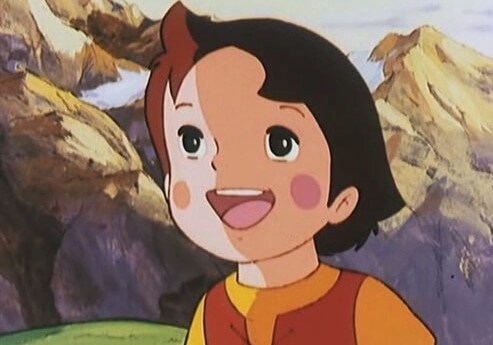
Remember the opening theme with its abundant yodeling? The story is actually based on a novel by Johanna Spyri about Heidi, an orphan who goes to live with her grumpy grandfather in the Swiss Alps.
At eight years old, Heidi is orphaned. He falls in love with the Alps and their lush meadows, their clean, fresh air and their wildflowers. Heidi’s tender heart and childlike faith earn her grandfather’s love and affection and also bring health and happiness to an invalid girl, one of Heidi’s best friends.
Furandasu no Inu (The Dog of Flanders)
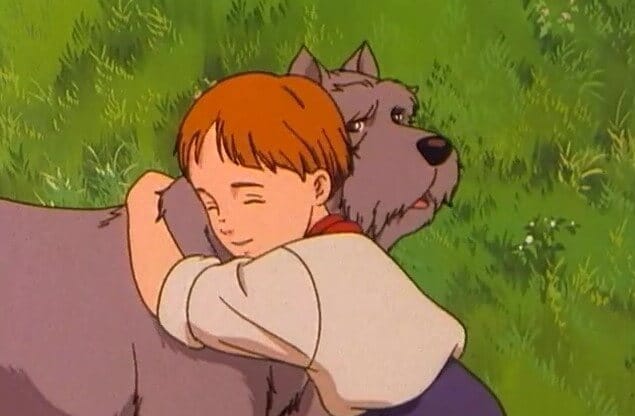
Everyone remembers the Patrasche dog. The story is actually a short piece of A dog from Flanders and other stories (1872) written by Maria Luisa De La Ramée who has the pseudonym Ouda. Set in the Netherlands in the 1870s, it follows a destitute boy named Nello and his only companion, his dog Patrasche.
Perinu Monogatari (The Story of Perrine)
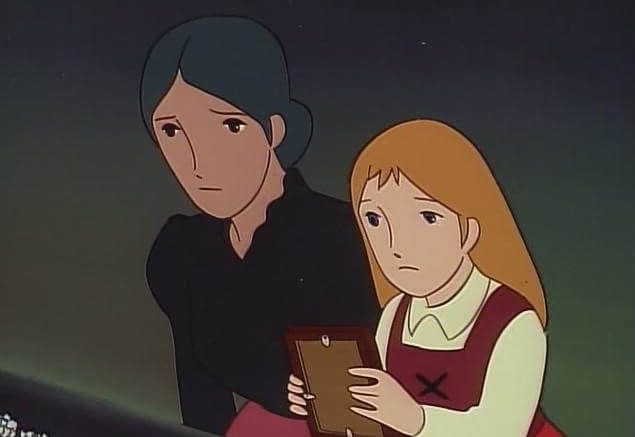
The original work is titled with family (1893) written by a French writer, Hector Malot. He wrote another book titled without family. Its translation into English, with family means “with family” and without family It means “without family.” The book, Sans Famille, was also animated and is titled Ie Naki ko Remi (Nobody’s Son).
Akage no Anne (Anne of Green Gables)
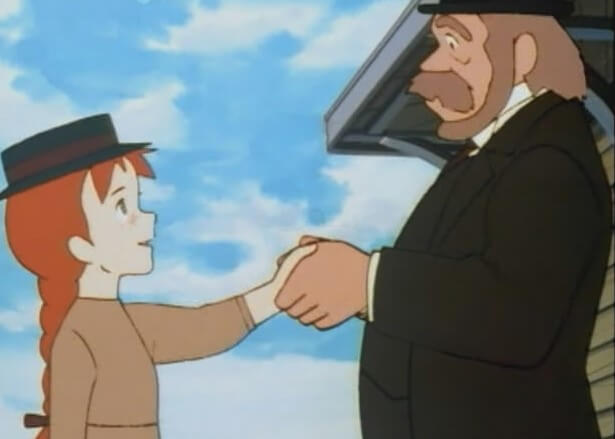
Anne of Green Gables (1908) by Lucy Maud Montgomery It tells the story of Anne, an orphan girl who comes to the Cuthberts family, who lives in Green Gables, a Canadian farm. But the orphanage sent her by mistake; the Cuthberts wanted to adopt a child who could have helped them in their work on the farm.
Tomu Soya no Boken (The Adventures of Tom Sawyer)
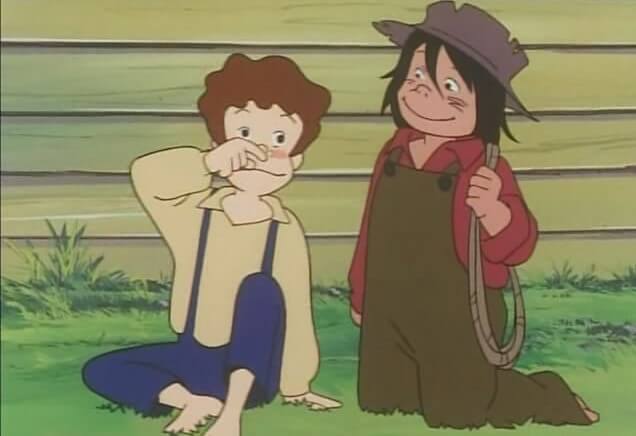
The Adventures of Tom Sawyer (year 1876) by Mark Twain tells the adventures of diamond in the rough Tom and his friends. An animated version of Blueberry Finn It was also made a few years after this one.
Kazoku Robinson Hyoryuki Fushigi na Shima no Furone (The Swiss Family Robinson: Flone from the Mysterious Island)
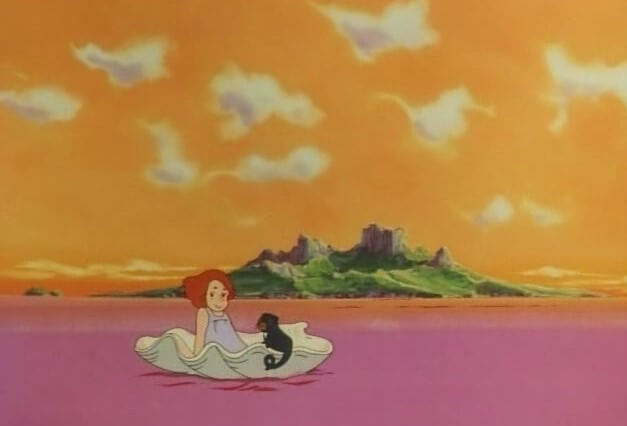
The original novel is Johann David Wyss and had the right The Swiss Family Robinson (The Swiss Robinson) (year 1813). It tells the story of a family abandoned on an island. it’s a Robinsonadaa story that revolves around a character who travels, is abandoned in a place and, finally, learns to survive. The term is based on Robinson Crusoe by Daniel Defoe and includes works such as Gulliver’s Travels and recently the movie Lost in space.
Shokojo Sera (Little Princess Sara)
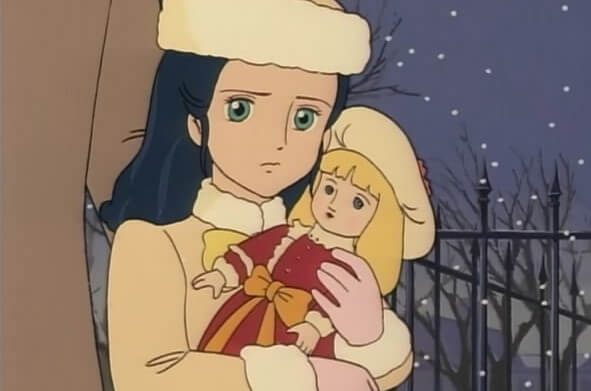
One of the popular works of Frances Hodgson Burnett made in anime, the others are Little Lord Fauntleroy and The secret garden. Set in London in 1885, Sara Crewe, who spent her childhood in India with her widowed father, is sent to Miss Minchin’s Select Seminary for Young Ladies.
Ai no Wakakusa Monogatari (Tales of Little Women)
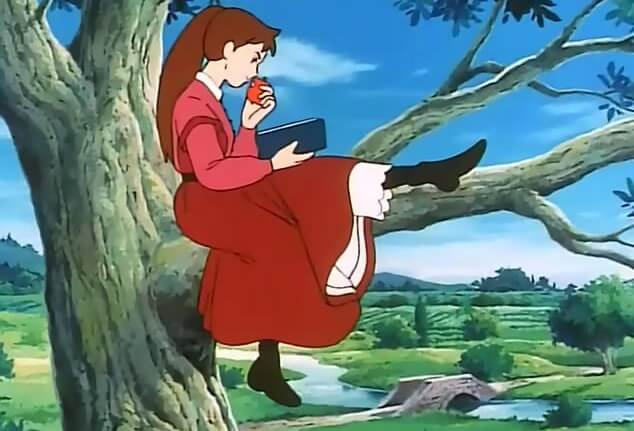
Originally Little Women and little men by Luisa María Alcott. In Little Women, the story takes place a few years after the Civil War in the United States. Frederick March has joined the Yankee army and has left his wife with their four daughters: Meg (Margaret), Jo (Josephine), Beth (Elisabeth) and Amy.
Shokoshi Sedi (The Little Prince Cedie)
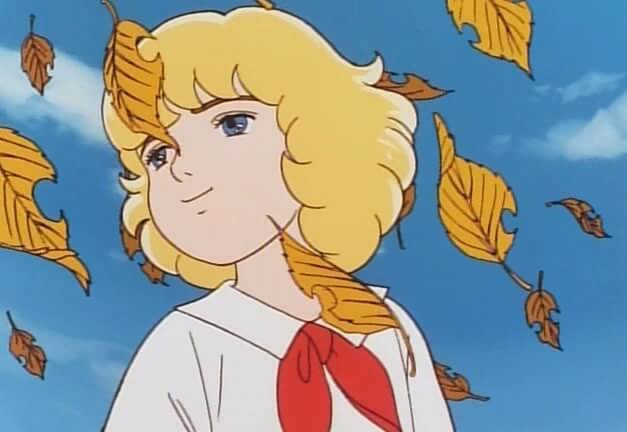
Also for Frances Hodgson Burnettoriginally titled Little Lord Fauntleroy. Little Cedric Erol does not know that he is actually the grandson of the Earl of Dorincourt and heir to a prestigious British family. Nor does he know that, a few years earlier, his father left England after a fight with the earl, who did not want to recognize his son’s marriage to “an American commoner.”
Peta Pan no Boken (The Adventures of Peter Pan)
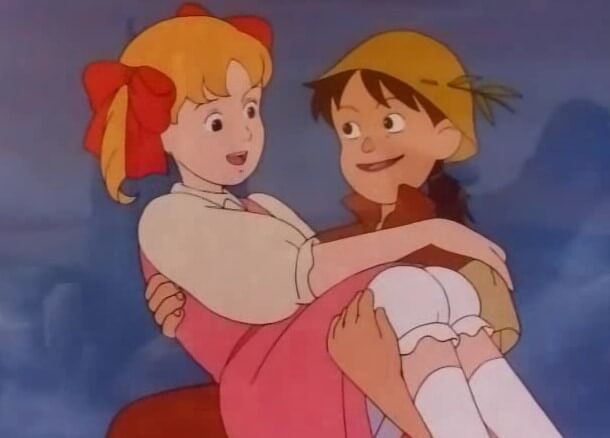
Originally Peter and Wendy (1911) by James Mateo Barrie. Everyone knows the story of Peter Pan, the boy who never grows up and doesn’t want to. The series is divided into two parts. In the first, Peter, Wendy and their friends fight Captain Hook. The second half, however, is not based on the novel, instead they fight an evil sorceress named Sinistra.
Torappu Ikke Monogatari (Trapp Family Story)
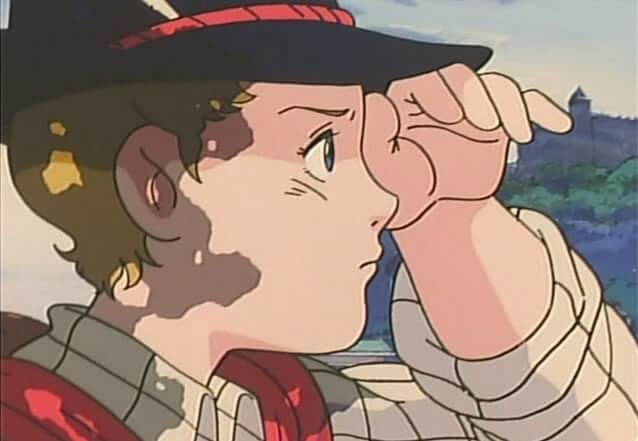
Have you seen the movie? The sound of music? Well, this is the anime version. based on The history of the Trapp family singers (1949) by Maria Augusta TrappIt tells the story of the Trapp family as they avoid the rising Nazi tide in Austria.
That is, Naki Ko Remi (Remi: Nobody’s Girl)

Originally San Famille by Hector Malot. There was an earlier (original) version with Remi when I was a kid and the title was Nobody’s Child (Chibikko Remi to Meiken Kapi / Little Remi and the famous dog Kapi). The plot remains the same but the gender of the main character does not. My young mind was reeling from the emotions provoked by the deaths of the characters (be they men or beasts) and the revelations.
There are many other anime shows based on classic literature. To name a few, they are: Don Quixote, The Legend of the White Whale or Moby Dick, The Magnificent Fox, Alibaba and the Forty Thieves, Tales of Hans Christian Andersen, The Three Musketeers, Jack and the Beanstalk, One Thousand and One Nights: The Adventures of Sinbad, Thumbelina, Treasure Island, Les Miserables, The Wizard of Oz, Alice in Wonderland, Grimm’s Masterpiece Theatre, Fantastic Adventure: The Adventures of Puss in Boots, Ramayana, The Cinderella Storyetc
There is definitely a wealth of anime literature out there for hungry minds to digest and learn from.