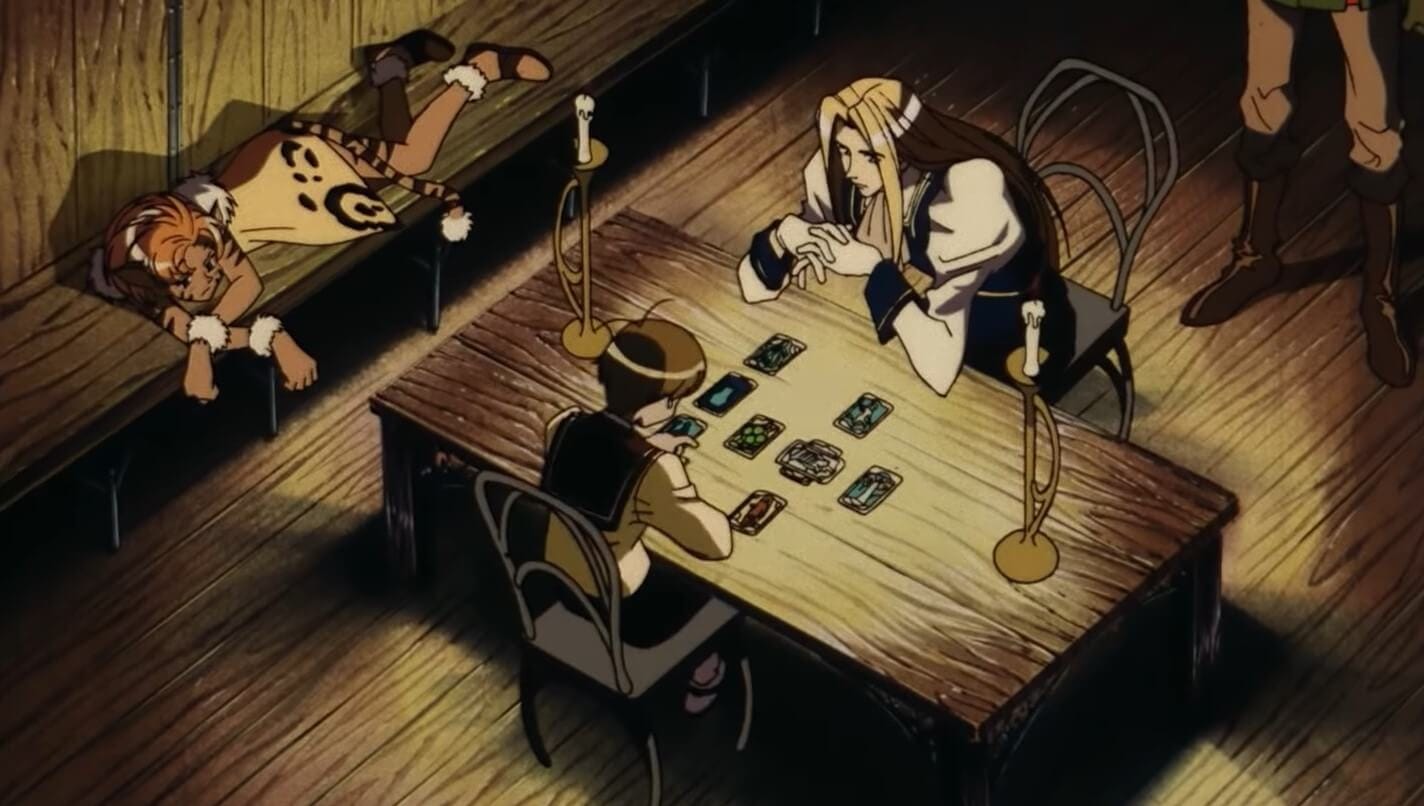
“They are tarot cards. They can tell your fortune.”
-Hitomi Kanzaki
SOME LINKS IN THIS POST ARE AFFILIATE LINKS. I MAY EARN A SMALL COMMISSION IF YOU CLICK ON A LINK AND CHOOSE TO MAKE A PURCHASE. CLICK HERE TO READ MY DISCLOSURE. THANK YOU.
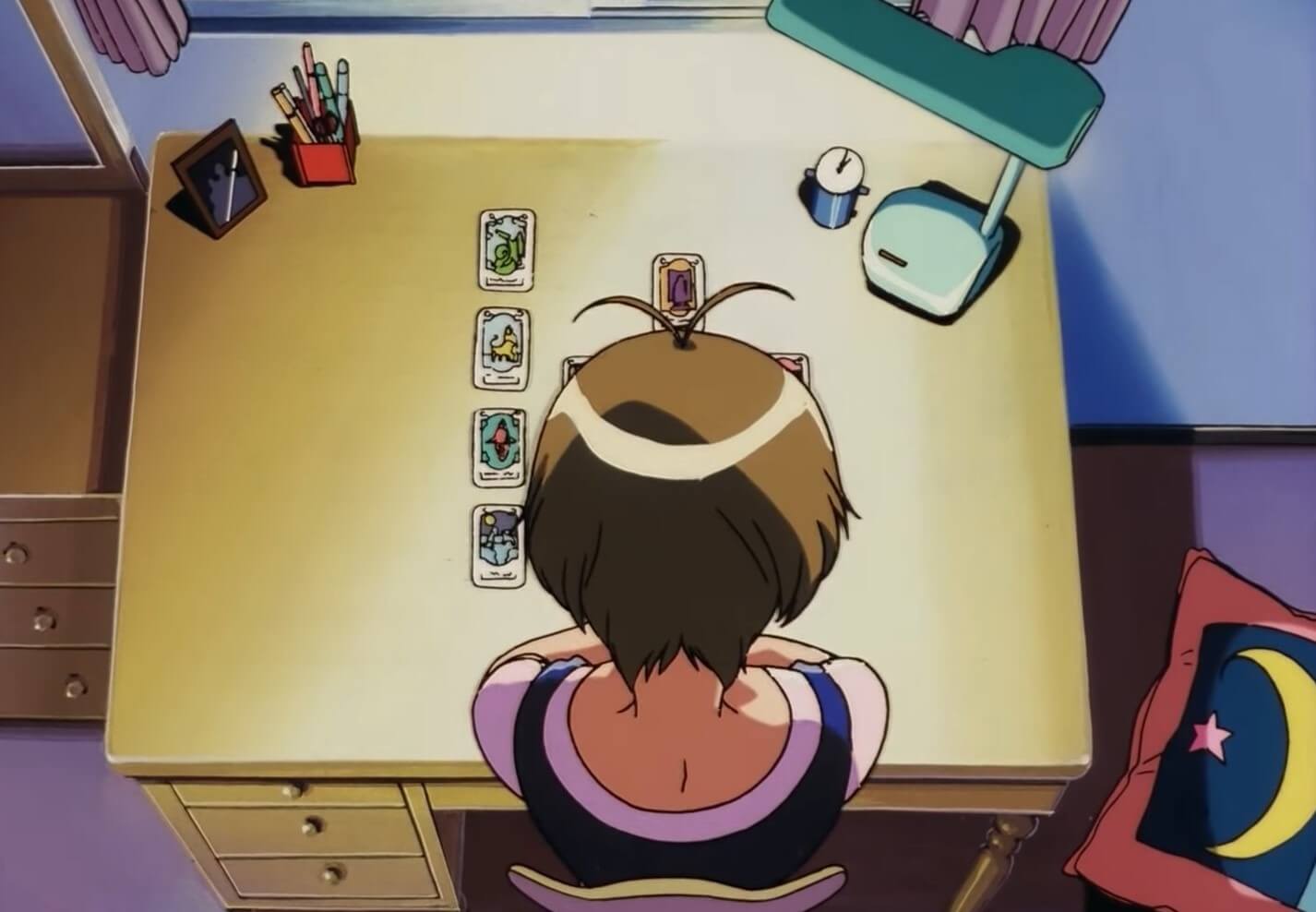
tThe true origins of tarot cards remain a mystery. According to popular belief, it was invented by the Egyptians. Others say it was the gypsies or even the Knights Templar. In any case, the cards reached Europe in the mid-15th century, where wealthy families such as the Visconti and Sforce clans of Milan had personal decks designed for them.
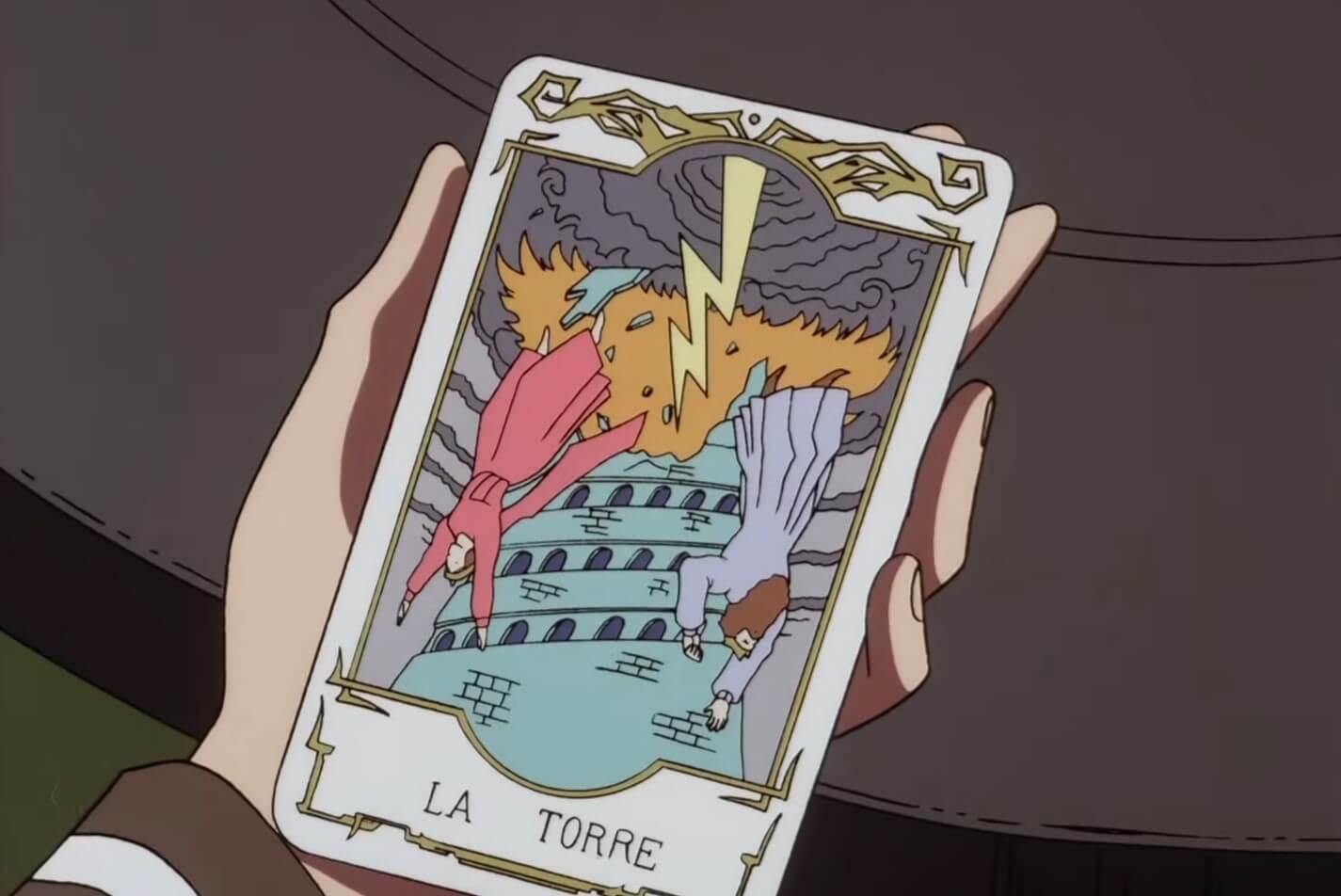
The Minor Arcana are made up of four court cards (king, queen, knight and page), as well as 10 numbered cards of each of the four suits: swords, cups, staffs and pentacles. These suits represent rational and strategic thinking, emotions, creativity and material concerns, respectively.
Select a platform
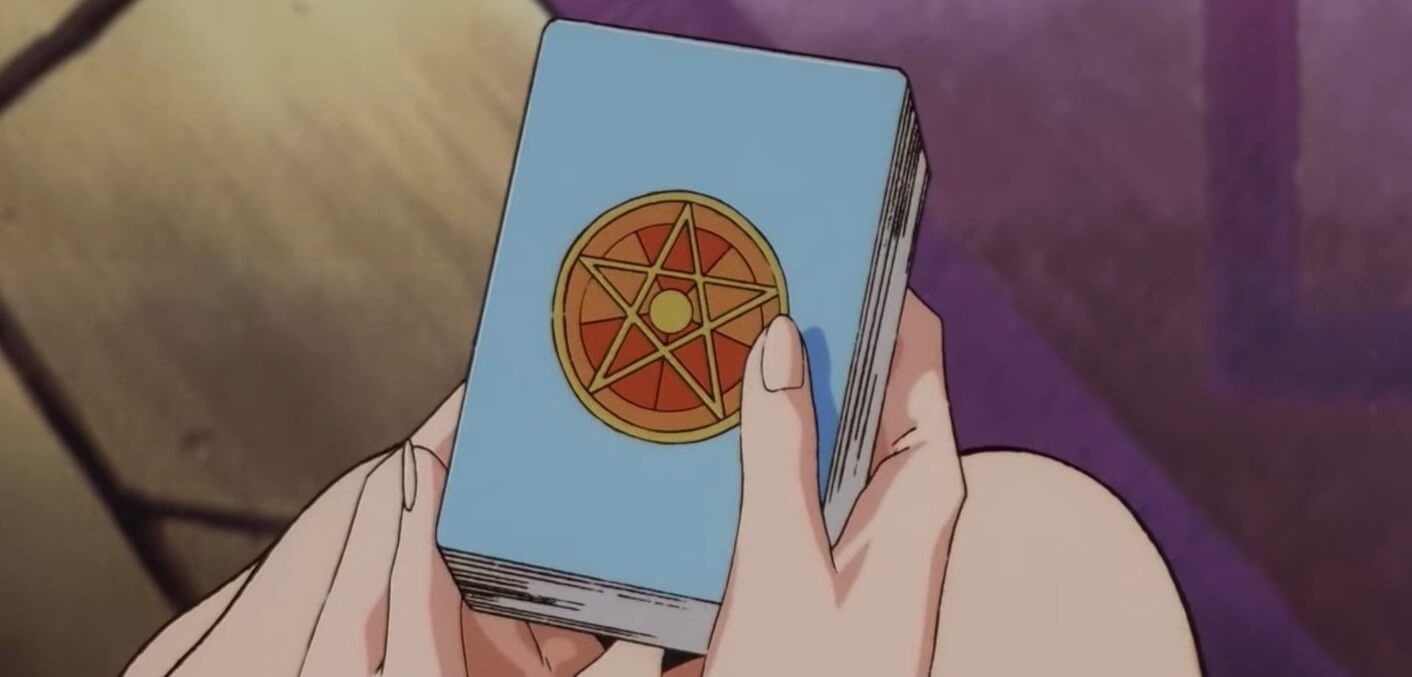
Some say that you can get a good reading using only 22 cards of the Major Arcana, but most think that using all 78 cards gives a more complete picture. Most traditional tarot practitioners always put the reversed cards upright and interpret them as such.
More recently, however, reversed cards have taken on a meaning of their own, usually opposite to the original interpretation. Hitomi prefers to follow this latter school of thought, but the choice lies with the reader.
ask a question
The first step to doing a reading is to ask the question. The reader or questioner then shuffles the cards and places them in a pattern or “spread.” There are several spread options open to the reader.
Tarot card meanings and positions
The simplest is the three-card tarot spread, where the cards represent the past, present and future.
The slightly more complex “horseshoe” has seven cards arranged in a V shape, with the fourth card in the middle and three cards on each side.
The first three cards are the past, the present and the immediate future. The fifth card represents the environmental influences, the sixth shows the obstacles the questioner faces, and the last card is the final result. The fourth card in the middle indicates the best course of action the person can take; Whether or not this advice is followed is indicated on cards three and seven. Others include the yin-yang spread and the 12-card astrological spread.
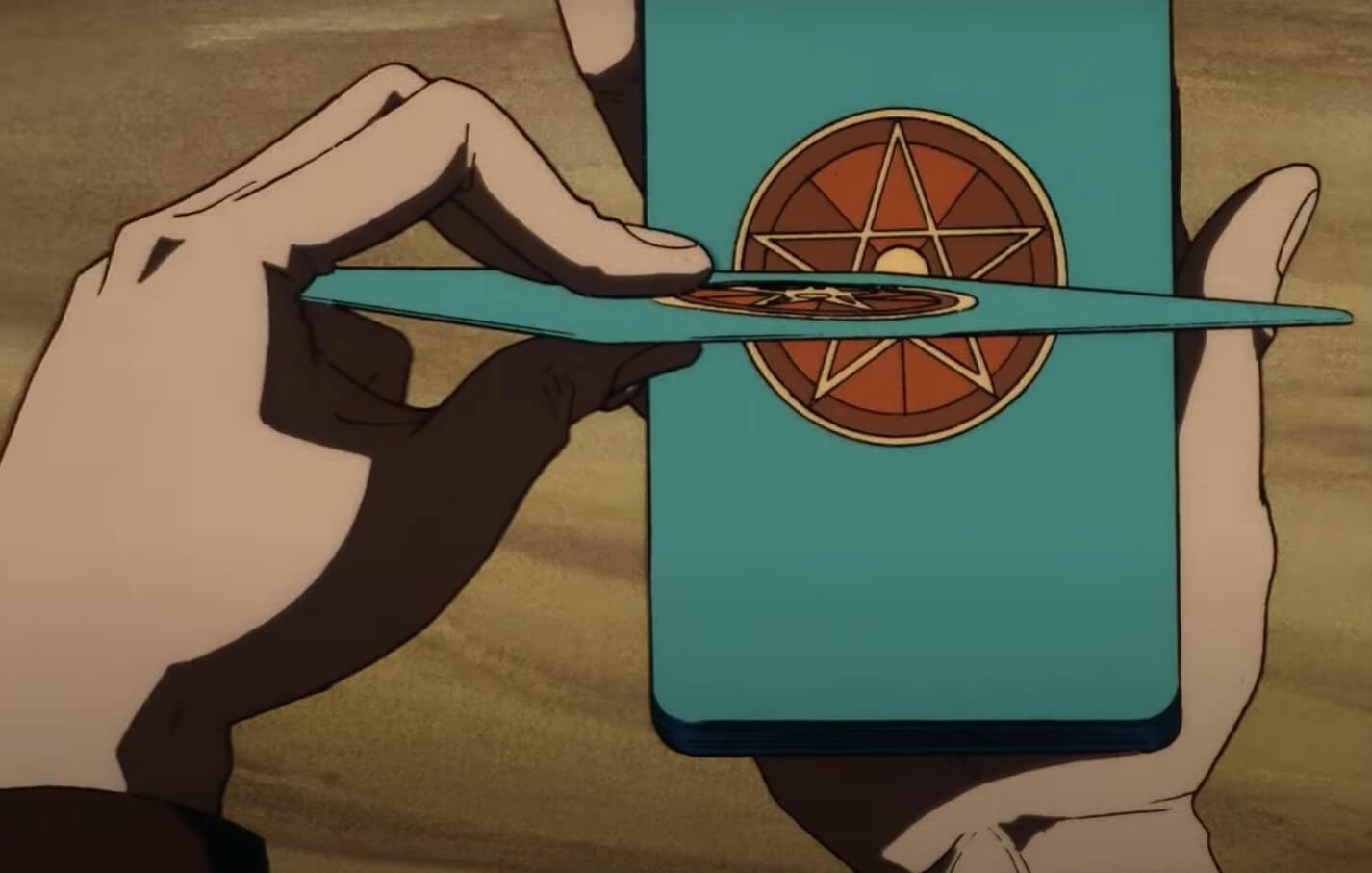
A good interpretation takes note of how different factors influence the outcome.
Now, an example, taken directly from a reading Hitomi did in the series.
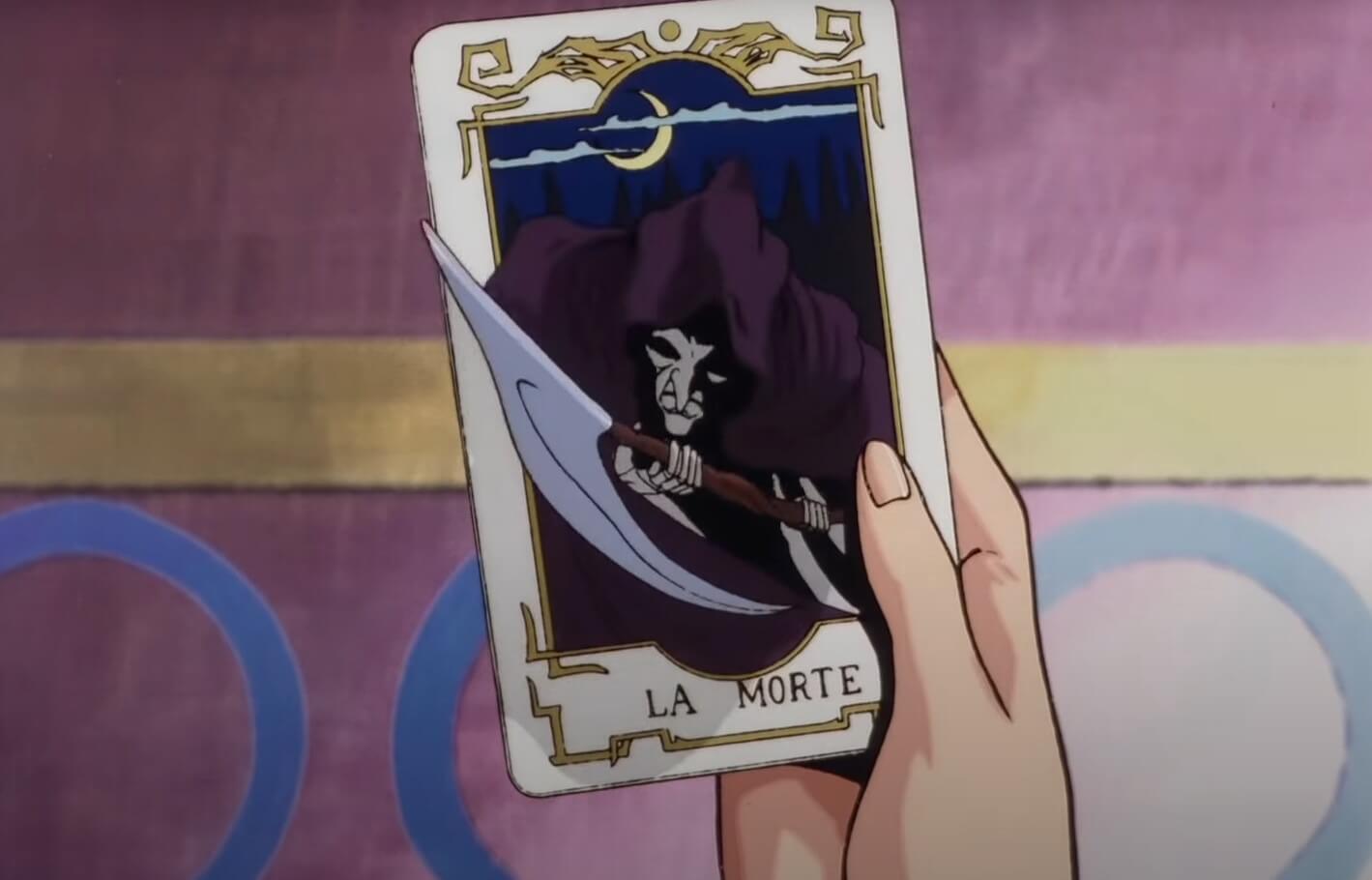
In The Blue-Eyed Prince (Episode 12), Allen Schezar asked him to do a reading on Miguel Lavariel, the Zaibach soldier they had captured. Using the Celtic Cross, these were the cards he obtained: 1 – three of birds, 2 – five of beasts, 3 – three of inverted snakes, 4 – Warrior of Dragons, 5 – The World, 6 – Death, 7 – blank card.
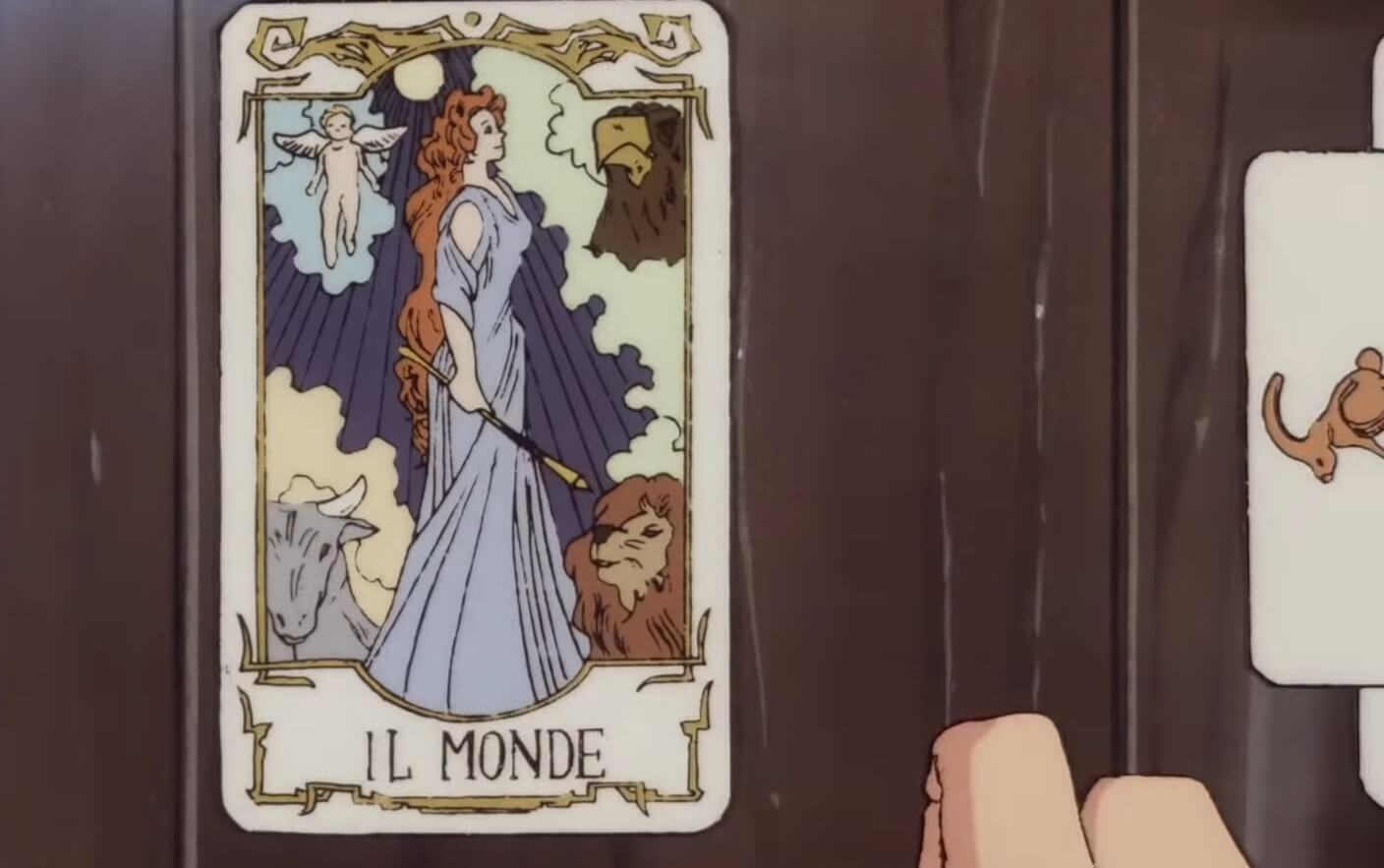
According to her, this means that “a great power guides everything towards an end.” In particular, he interpreted the first two cards as “Danger, Conflict”, the three snake cards as “Tension”, and the Dragon/Snake Warrior as representing Van. She is quite precise. The distant past, the World, can then mean the harmony of Gaia.
Recent circumstances, past and present, indicate upcoming turmoil, while the third card, aspirations, show that someone is stirring things up. On top of all that, Van is partially responsible for everything that’s happening (but Kanzaki-san doesn’t mention it).
When he came to card 7, which represented Miguel, the Dragon Slayer, he went blank; Sure enough, the guy had escaped from his prison cell and was making his way to his boy. Unfortunately for this exercise, he was never able to finish his reading; Hitomi and the gang were arrested mid-read after being implicated by double agent Zongi.
Practice reading Tarot cards
With a little practice, tarot cards are quite easy to master. The hardest parts are memorizing the interpretation. The best way to learn is to do as much reading as you can. Heck, there are plenty of potential volunteers out there, so no problem, right?