 Skip to content
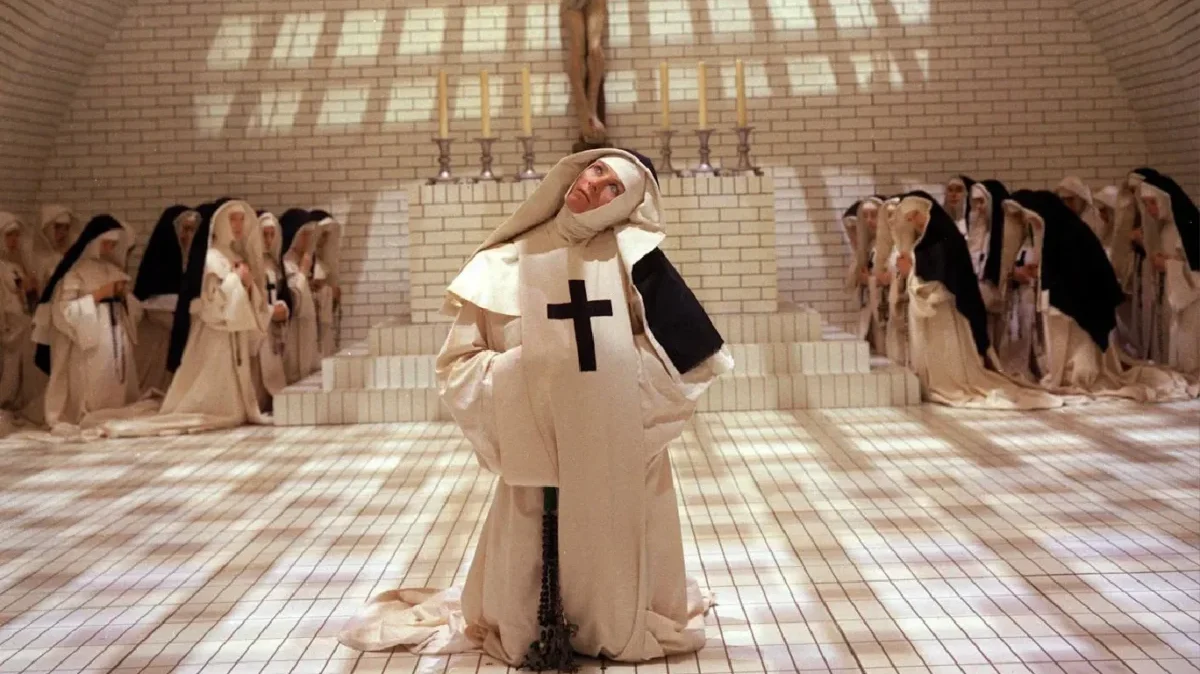
Sex-crazed nuns, lustful clerics, carnal exorcisms and religious power struggles, all combined into one of the most controversial films ever made: Ken Russell‘s the demons (1971). Set in 17th Set in 19th century France, just after the Huguenot rebellion, the film dramatizes the real-life case of the priest Urbain Grandier of Loudun (played by Oliver Reed) who was accused of witchcraft and possession. He was burned at the stake after being tortured for a confession that never materialized.
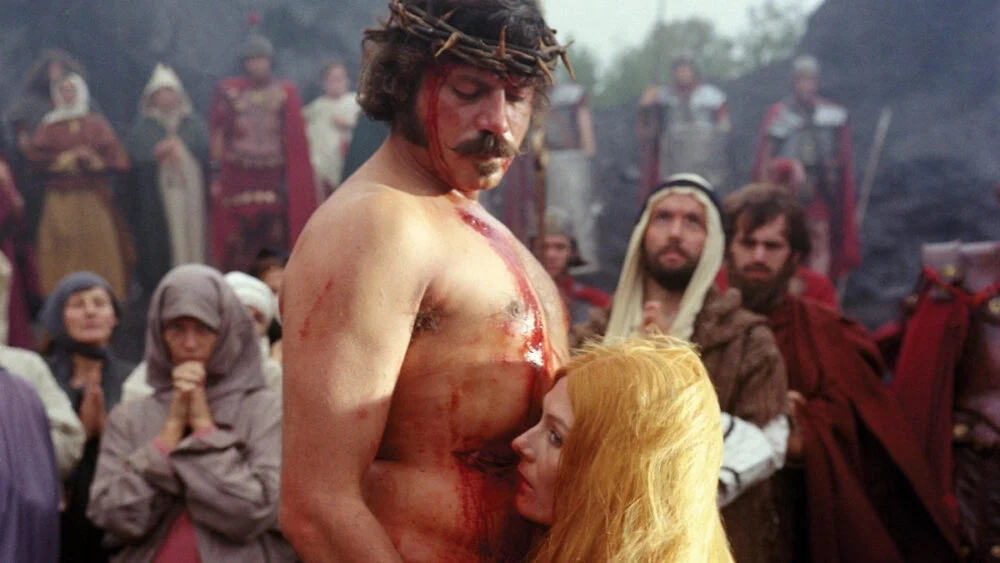
Russell’s film was the subject of a scandal that led to several bans in different markets. British censors attacked it for its “pornographic nature,” while more conservative groups noted its “gratuitous” attack on religious institutions. In the United States, Warner Bros. removed what Russell considered the film’s key scene, the aptly named “Rape of Christ” (in which nuns desecrate a statue of Jesus on the cross).
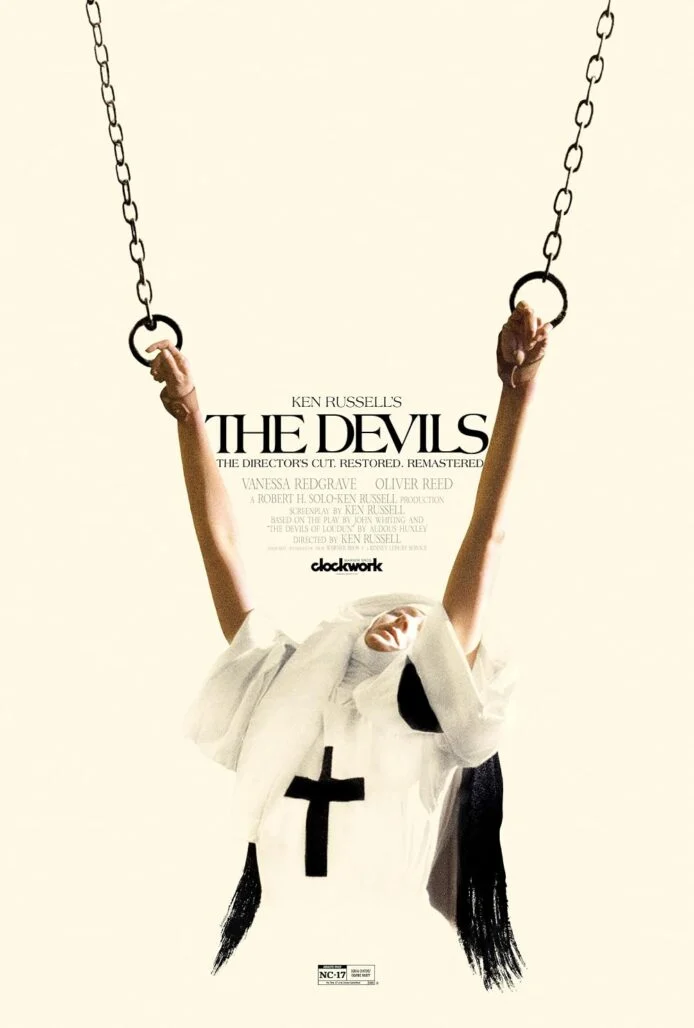
For years, the director’s preferred version was nowhere to be found. That is, until the film critic Mark Kermode I rescued key pieces of footage from the Warner Bros. vaults, restored them, returned them to the film, and then presented them all together as the final cut of the demons back in 2002.
The film is currently in a limited run in theaters and is successful to boot. With strong ticket sales and renewed interest in both the film and its visionary director, additional dates and times have been added to what was originally planned as a week-long screening in October 2026.
This is the kind of movie that deserves to be seen on the big screen. Russell created a visually striking recreation of Loudun from 1630, based on Aldous HuxleyNon-fiction book from 1952. The Loudun Demons and John Whitingwork from 1960 the demons. It features lavish sets that reflect the inescapable and oppressively inevitable influences of the Catholic Church in all facets of life. They were built by the famous set designer. Derek Jarmanwho injected a strong sense of arrogance into the large physical structures that populate the story.
the demons He also thrived on the transcendent power of his performances. Oliver Reed portrays Grandier as a man deeply aware of the circus act that underpins his religion, especially as it relates to the manipulation of the masses. He is a silver-tongued demon who uses sex as a means to rebel against the church. It’s an almost mythical display of acting that’s as furious as they come.
Vanessa Redgrave She also gives a powerful performance as Sister Jeanne des Anges, the hunchbacked abbess of the local convent. She is sexually in love with Grandier, despite having never met him. She becomes increasingly obsessed with him, to the point that her mind leads her to believe that he does not favor her simply because he has not reciprocated the feeling. As a result, she starts possession rumors. Grandier’s enemies take advantage of this.
Redgrave shows madness at its finest, becoming its very incarnation. He is a victim of a system that represses his most intense desires and projects that existential frustration with force. It is his film as much as Grandier’s. Redgrave imbues Sister Jeanne des Anges with a fire that passes through the screen.
There is no news of a Blu-ray/4K release of the demons As of this writing (although I suspect it’s coming), the big screen is the only way to experience this masterpiece for the foreseeable future. It really lives up to its reputation. It shocks and startles, but it does so in the service of putting religious corruption and institutional abuse in a well-deserved state of nakedness for all to see. So, accept the controversy and observe the demons.
