 Skip to content
ohA big difference between anime and other cartoons is that anime reveals how complex life can be. Other cartoons draw characters and situations in black and white, good and evil. The anime disagrees.
Life, most of the time, is not just about two choices. Most of the time, options are dark, gray areas where one option would be beneficial to one but harmful to another, “good” for one and “bad” for another.
It follows then that people should not be classified into just two categories either. The anime maintains that viewers should not fall into the trap of putting characters in boxes that can be carefully labeled and set aside. Just look at the supposed villains and antiheroes of some shows. Most of the time they are reflections of how cruel, discouraging and often frustrating life can be. Beliefs, love, and choices are just some of the confusing aspects of life that they too must navigate.
Different people have different beliefs. Individual experiences shape these beliefs, making them unique to each person. History, however, has shown that fighting for ideologies that go against an established system can be brutal.
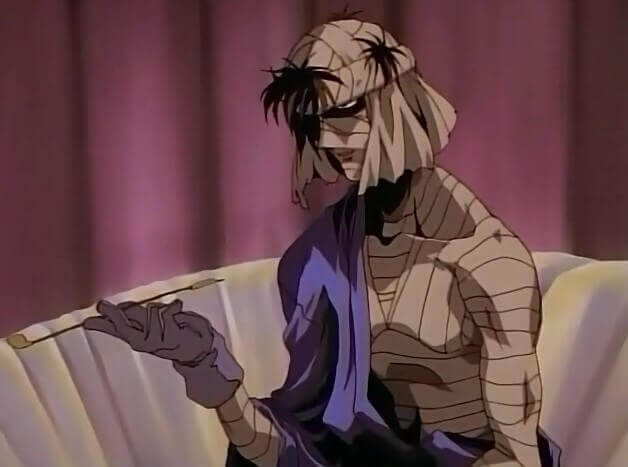
Moving on to the anime, let’s consider the villains of two main story arcs (Kyoto and Shimabara) of Kenshin Rurouni. Makoto Shishio was the “shadow assassin” and heir to the title Hitokiri Battousai (killer with drawn sword) after Kenshin Himura abandoned him. He managed to hide his identity better than Kenshin, making sure all his victims were dead to reveal something about him.
When that war ended and he was no longer needed, the government decided to eliminate Shishio simply because they were afraid of him and what he knew. They shot him, set him on fire and left him to burn. Shishio managed to survive the ordeal but swore he would overthrow the Meiji government. He then found ten of Japan’s greatest warriors and organized an army with the principle: the weak must perish at the hands of the strong.
Their plans were thwarted by the original Hitokiri Battousai, but some say that in the end we were the true victors because Japan proved their ideal to be true even before the end of the Meiji era. Japan fought China for Taiwan and then Russia for Korea in a battle for supremacy that demonstrated that the strong must defeat the weak.
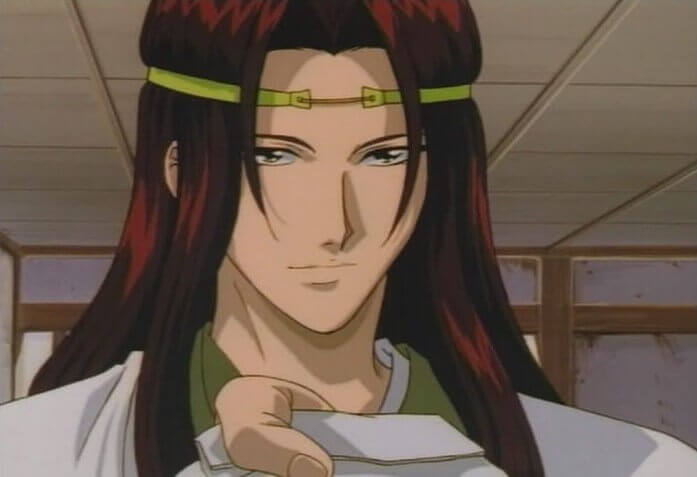
Belief in a different religion has also been a source of constant struggle for some. Shogo Amakusa loved and protected the people of the Shimabara Peninsula against persecution for their religious beliefs. Placing faith in a Christian god in a Shinto country was not only dangerous, but it was also a test of how far a person would go for their conviction. Rebellion, difficulties and sacrifices are part of a life governed by trust in a mystical entity.
Belief in a cause can also be passed down from generation to generation without end. Added to that, incidents of brutality and fanatics arise.
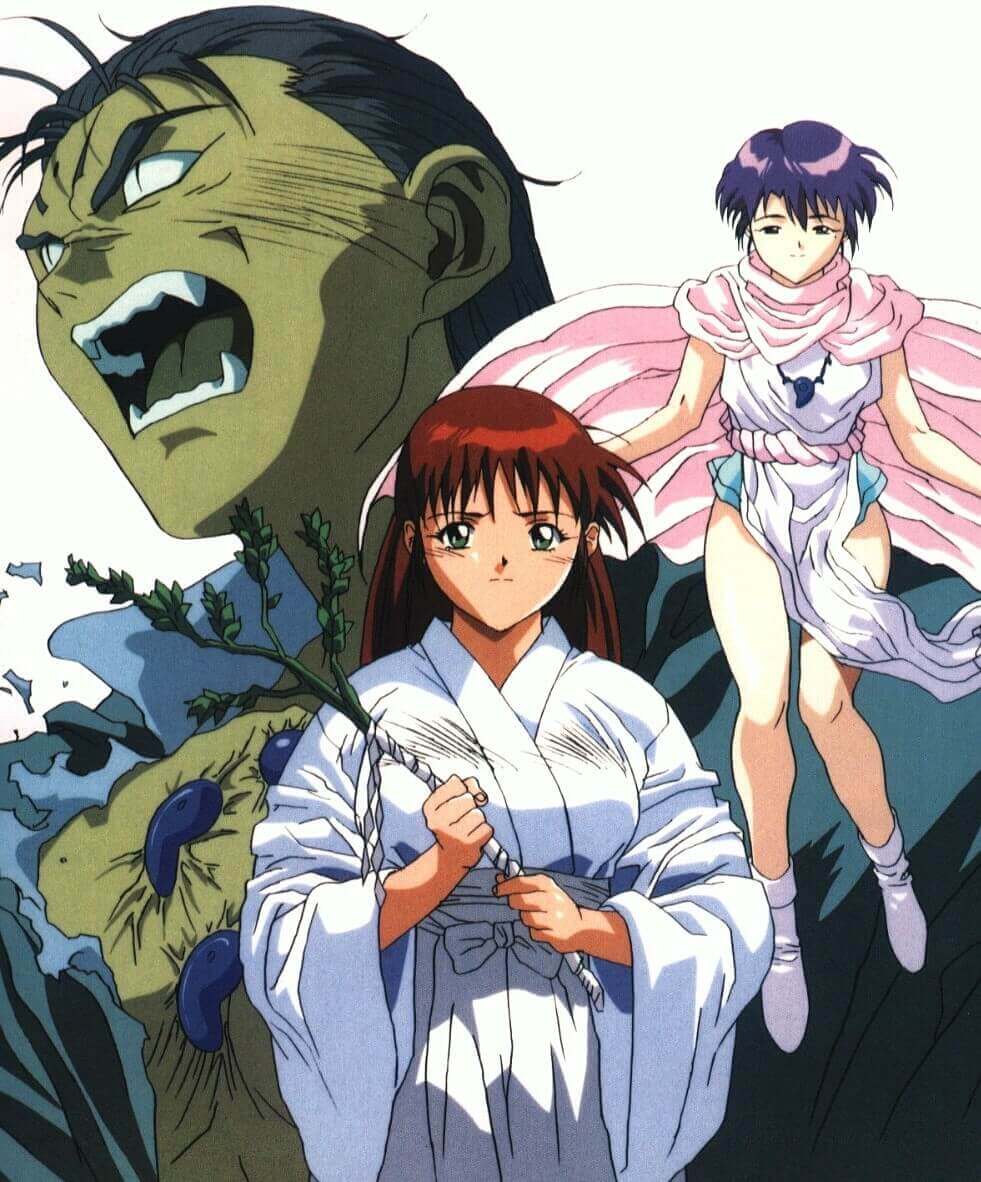
Note the antihero of blue seedKaede Kunikida. She believed that the world had become populated with evil and unworthy humans. She believed the Earth was too beautiful for them, so she allied herself with the Susano-o to wipe out all humans and prepare the Earth for a new generation of better people.
This is also what the Earth Dragons of the series do. unknown They believed. They thought that the current population should be destroyed because they were polluting the Earth. They wanted an ideal society without wars, diseases and other bad things.
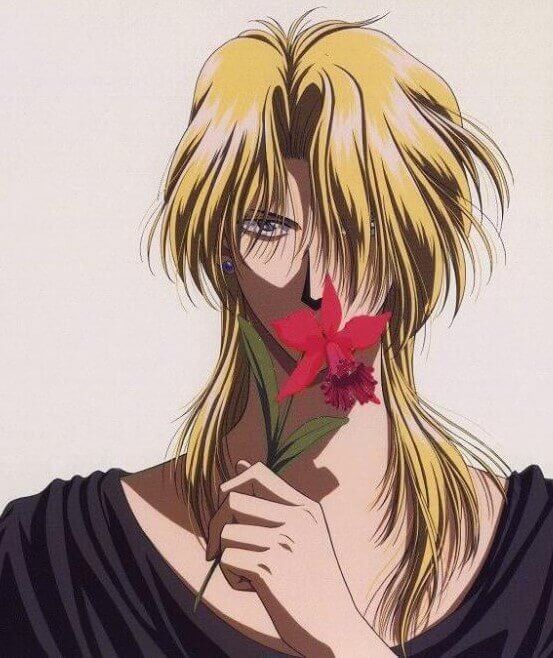
Let us now consider the antiheroes of Fushing Yugi. Nakago, leader of the Seiryuu shichiseishi (star warrior), was only 11 years old when the soldiers of the Katou country attacked his tribe. His mother was raped and beaten before his eyes, while everyone else he knew was murdered. Traumatized, his powers flared and he killed five of the intruders.
He survived the incident, but was brought before the Emperor and served as his “toy.” His hatred grew until he knew nothing but an overwhelming desire to destroy the source of all his miseries. He became cold and manipulative. However, near the end, he also showed a human side when his lover, Soi, was killed.
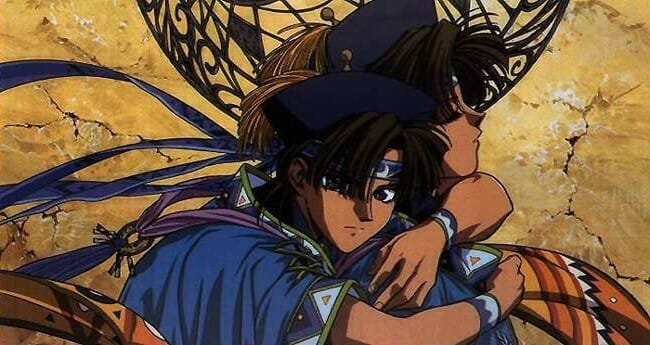
Suboshi and Amiboshi, two of Nakago’s allies, also witnessed the death of their parents. However, Amiboshi fell in love with the Suzaku no Miko (priestess of Suzaku) and even sacrificed his life for her. On the other hand, Suboshi became a total killer when he sensed the death of his twin and thought it was at the hands of his sworn enemies. Suboshi, however, also willingly gave up his life for the girl he loved.
Love is more often a source of sadness than happiness. Just look at the number of sad love songs compared to happy ones. It is also one of the most difficult emotions to define in life. What is love? When does love end and obsession begin? If love is blind, then most people on Earth must also be blind.
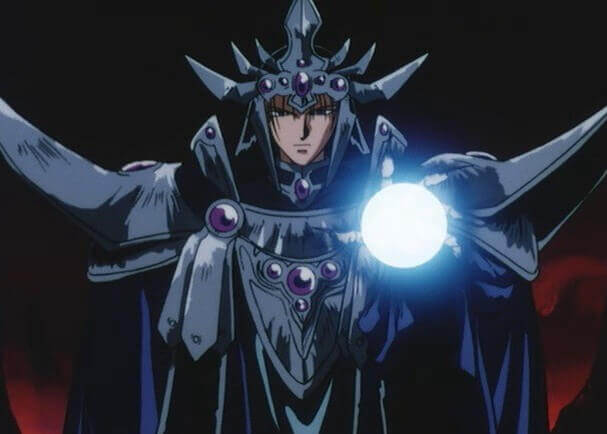
CLAMP is a master at evoking the power of love. Zagato Rayearth Magic Knights He fought against the knights with all his resources, power and will. Because? Love. She knew that the knights summoned by Emeraude were destined to kill her. So he protected her even at the cost of his life.
Emeraude, on the other hand, lost her mind when her beloved Zagato was killed. She then attempted to eliminate the saviors she herself had called. But when it failed, she was still happy because finally the forbidden love she and Zagato had for each other could finally be realized in the next life.
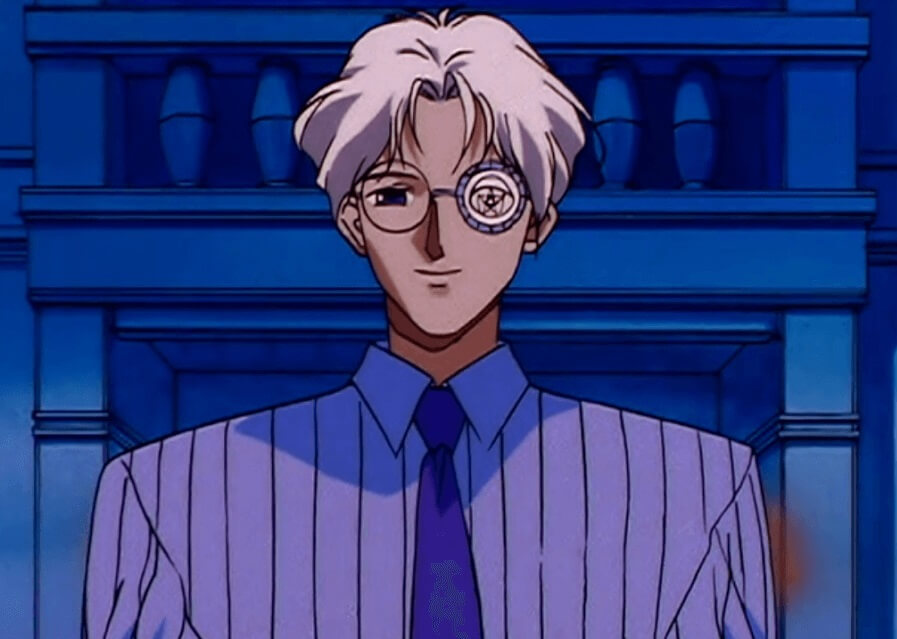
sailor moon He also has his own characters to contribute. Professor Tomoe, for his part, just wanted his daughter to have a second chance at life, so he offered his life and soul for it. When the evil Hotaru using the boy’s voice begged him to give her the cup she said she needed, he willingly gave it to her just to ease her pain. Nephrite, an evil general from the first season of the series, fell in love with an ordinary girl. He fought against his kind and sacrificed his life just for her.

Going back to Rurouni Kenshin, Yumi sacrificed her life for her beloved Shishio-sama because she thought it was the only thing she could do to help him.
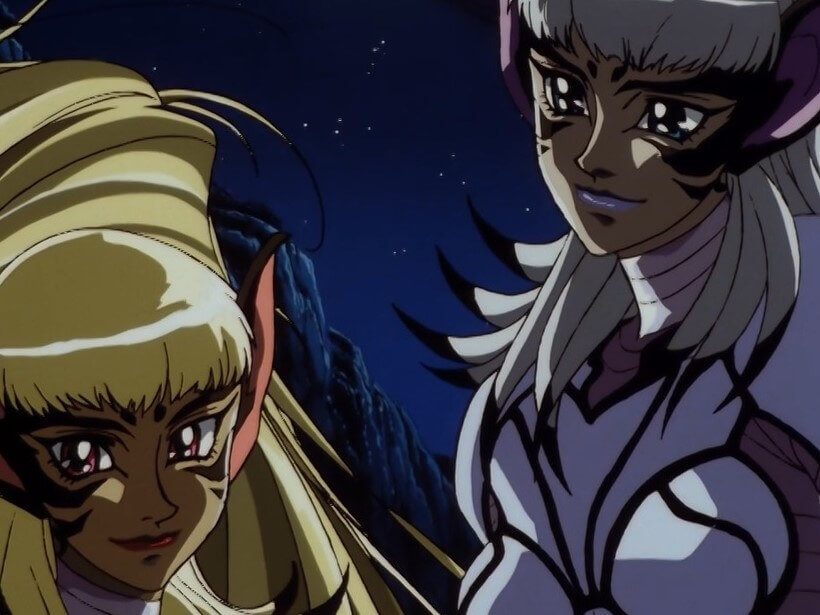
Naria and Helia Vision of Escaflowne He also made the ultimate sacrifice for his Folken-sama. Gendo Ikari Neon Genesis Evangelion He was willing to play God and sacrifice the entire world just to be with his wife again.
Sometimes fate, that nebulous concept that seems to delight in torturing everyone, takes control of life by making people think there is only one option. This leads to many misunderstandings, most often between friends and family.
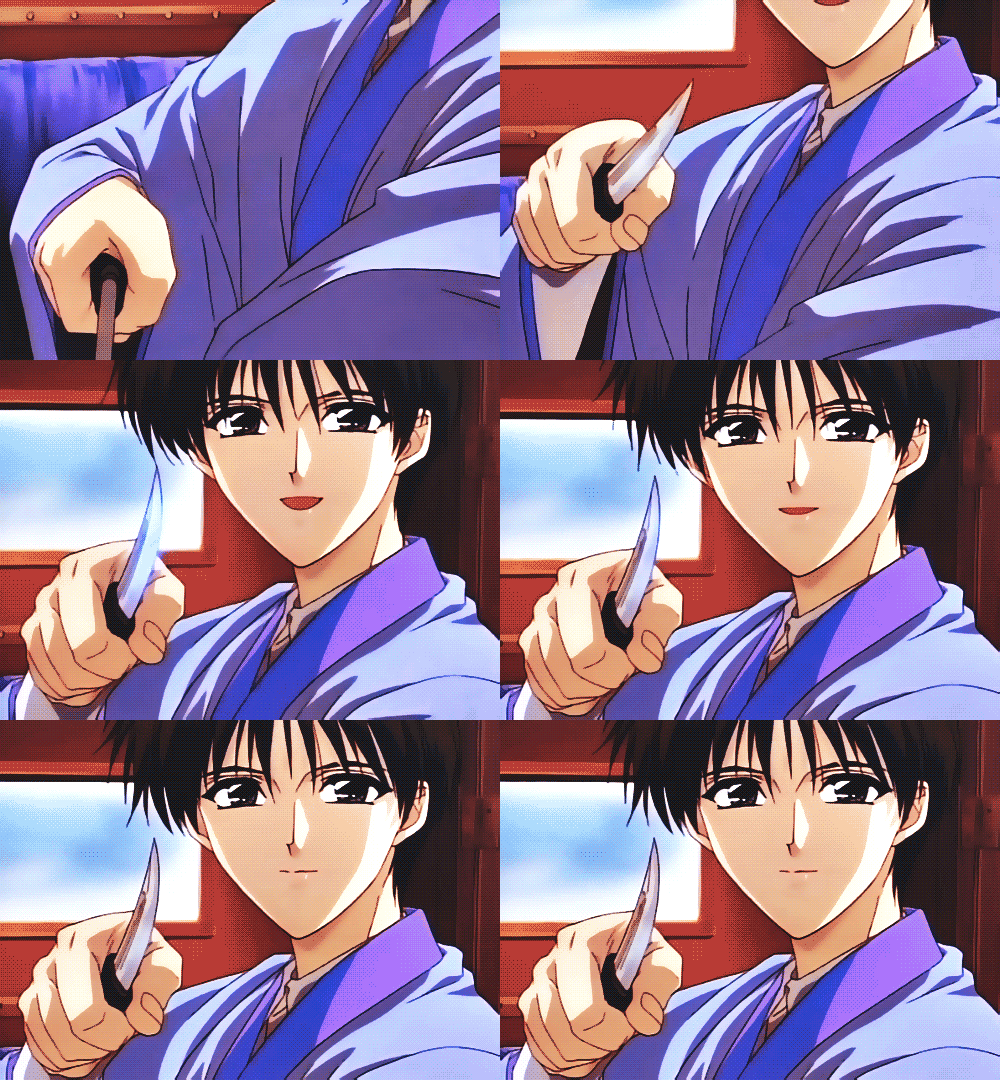
Soujiro Seta from Rurouni Kenshin was abused by the family that adopted him. He was the bastard son of the head of the family and they made sure he knew how lowly they thought of him. Constantly beaten, he found a way to lessen the blows by hiding behind a smiling face.
When he met Shishio, he was amazed by the power the older man possessed. When he killed his family in a fit of pure rage and terror, he cried in the rain afterwards. Many years later, he recognized that killing them was not what he wanted to do. He had just wanted to feel a little love or maybe just a little approval but he hadn’t been given the chance.
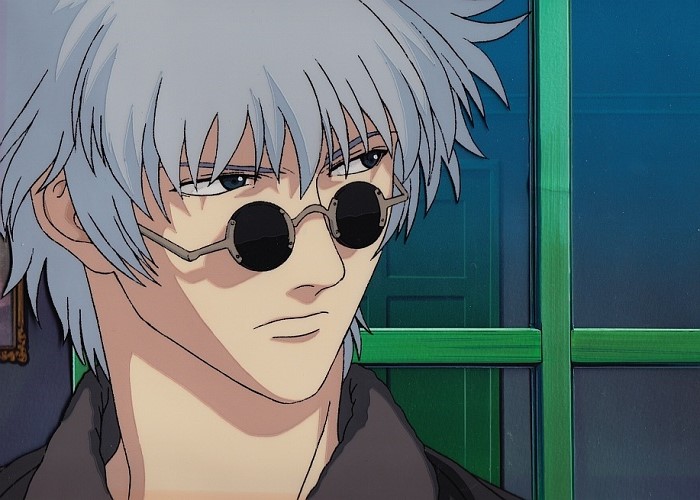
Enishi Yukishiro, main antagonist of the Revenge of Rurouni Kenshin arc, believed that his older sister was being forced to live with Hitokiri Battousai against her will. Her mind could not and did not want to accept that she had fallen in love with the man who had killed her fiancé.
Related: Rurouni Kenshin: Reflection (Seisou-hen)
When he saw her die at Kenshin’s hands, not knowing that she was actually protecting Kenshin, he swore revenge for the only person in his life he had ever loved. That was her choice, just as Tomoe, her sister, had chosen to sacrifice her life for the very man she had initially sworn to kill.
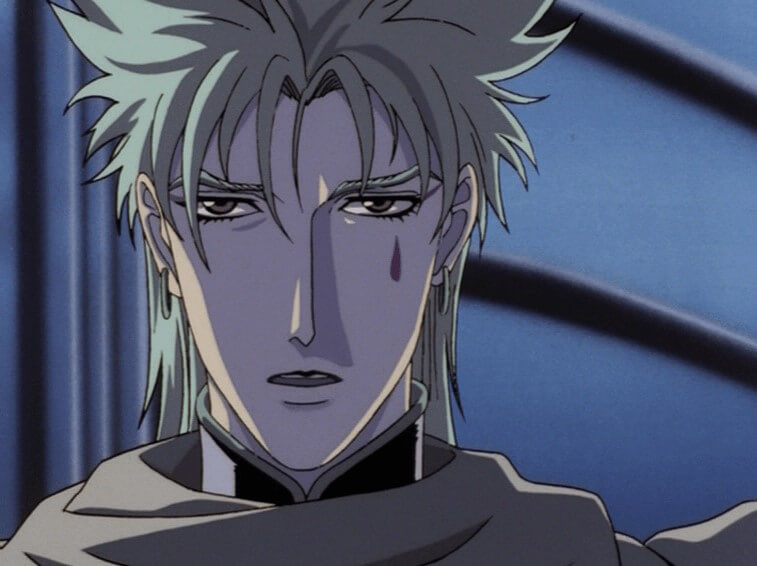
Folken Lakur of Fanel of Escaflowne is another character who made the decision that pitted him against the only person he loved, the same person he had wanted to protect in the first place.
However, in the end, his vision of a world where his “sweet and innocent” brother could live in peace was shattered by the only person he had blindly followed. Until the end, he still wanted his vision to come true so his brother could be happy.
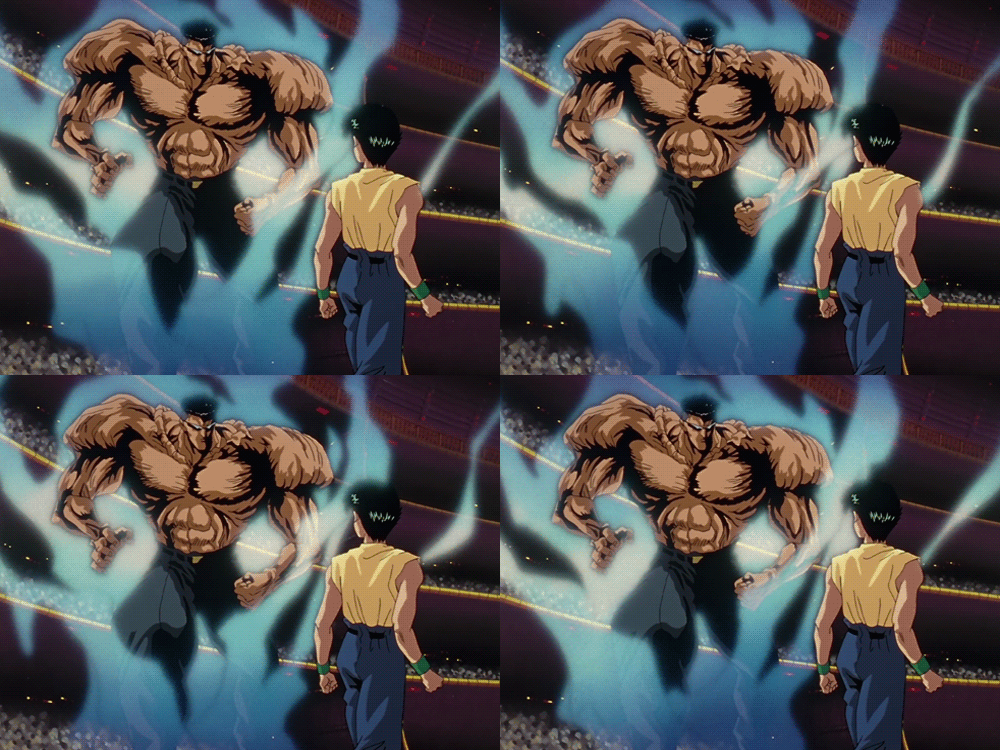
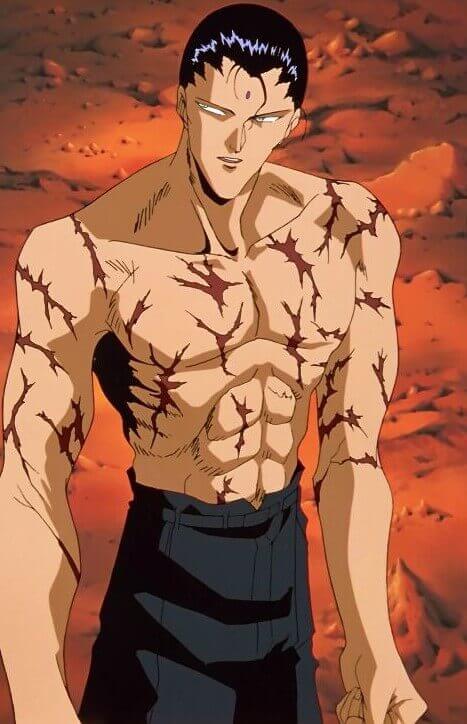
Another example, this time with two characters from Yu Yu Hakusho: Toguro and Sensui. Toguro believed that one must be stronger than everyone else to survive because, in his past, he witnessed some of his friends being cut into pieces by yokai (hell) right at your house. He gave up his humanity for this belief and even killed his former partner just to prove his point.
Sensui, on the other hand, was a former you need aunt (spirit world detective) who became disillusioned when the very people he was protecting turned out to be corrupt. He saw humans torturing innocent yōkai, so he stopped being a detective and also turned his back on humanity. The rest of his life was spent creating a vortex between the human world and the demon world so that the demons would annihilate all the filthy humans.
Even anime aimed at children does not hesitate to show this fact of life. in the series Flint the time detectivethe main antagonist made life difficult for the heroes because deep down he felt alone. He wanted everyone to feel his loneliness, but in the end he realized that just by making friends his loneliness decreased.
Analyzing all of these characters, are all of these villains’ heinous actions justified by their tragic pasts and bad decisions?
No.
All people are ultimately responsible for their own actions. Some change for the better, others for the worse. Some just don’t change at all. Most of them die for and for their beliefs. But now they seem more human, more than just bad characters who torment the good ones. They’re not really bad…they’re just misunderstood.