 Skip to content
Vorp! With a simple sci-fi sound effect, BioWare shattered the gleaming hull of the Normandy SR-1, scattered much of what came before it into the void, and split its burgeoning action RPG series in two. The save files from 2007’s Mass Effect might have brought with them an XP bonus or a credits dump, as well as established player continuity, but rarely, before or since, was the reset button hit so quickly or so heartbreakingly.
It was exactly what the series needed. Xbox 360 exclusive Mass Effect had been a promising bright spot for the console, polished to a dazzling shine by being heralded as a franchise that would move beyond binary morality and deliver a meaningful, ongoing space opera, one that wasn’t Star Wars for a change. (Many studios now promise episodic games, but BioWare was creating series-spanning narrative arcs long before that buzzword was coined.) The opening part of the trilogy was certainly grand and epic in scope, but somehow austere, a feeling compounded by an excess of bland shootouts and awkward driving that took up time outside of its much-admired conversation wheel. It wasn’t Star Wars, but it hadn’t found an identity among all its copious lore either. As a concept piece, a pilot, it was tempting enough, but more of the same wouldn’t do, especially when the world was drowning in third-person shooters thanks to 2006’s shocking and hyper-violent Gears of War.
Oh the horrors
And so, millions watched in horror as SR-1 fell ill, took brief control of the malleable returning protagonist Commander Shepard for a stunningly beautiful Dead Space homage moment of heroism, and then shaped a 4 billion-credit revival. This wasn’t just a sequel, it was a reinvention, and BioWare made sure everyone knew it.
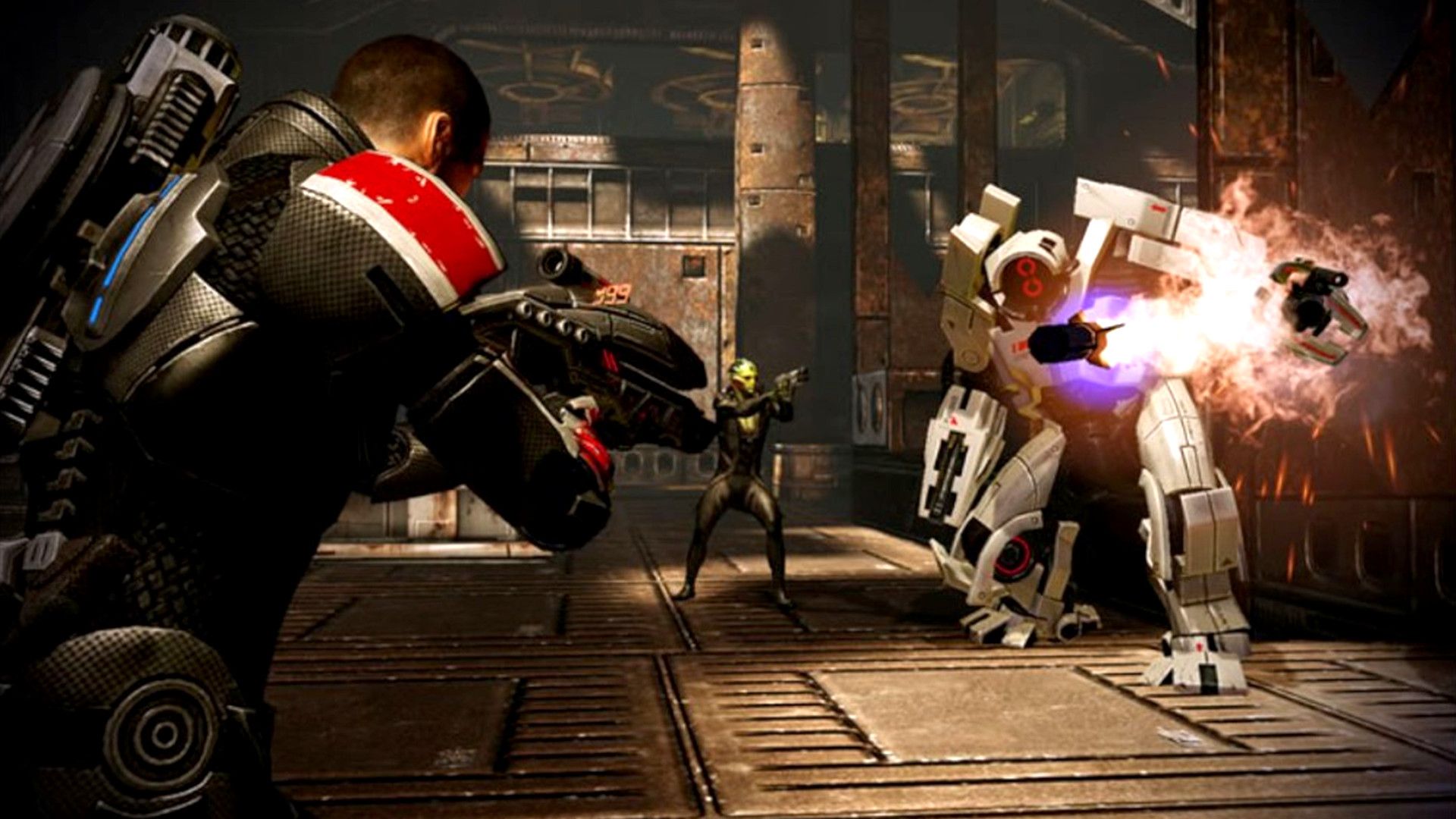
Even if the point hadn’t been hammered home, returning players would have noticed Shepard’s first dizzy steps through a Cerberus laboratory. The Commander, once majestic and tank-like under the sticks, now moved with a fluidity uncommon in the recently deceased, sliding for cover on Teflon floors with Vaseline-smeared boots. Even your starting gun could dominate the early combat spaces with a snap, crack, and pop of mechanical head that vaporized expectations of another 20 or so hours of monotonous, feedback-light gunfights.
But the real revelation would come when you turned on the power wheel for the first time and unleashed one of the new biotic or technological abilities. Mass Effect’s array of buffs, debuffs, and crowd control powers had moved closer to BioWare’s RPG roots, although knocking enemies out of cover and into the path of a sniper rifle was quite the gimmick back in 2007. However, the sight of Shepard running across no man’s land in a haze of blue fire to explode at the enemy and shove a shotgun up their nostrils promised a very different kind of interstitial combat between conversations. If the Mass Effect games were Luc Besson films, the original had been Lucy, all big ideas but few compelling dangers, and 2 was The Fifth Element: an intergalactic excuse for gloriously silly slaughter.
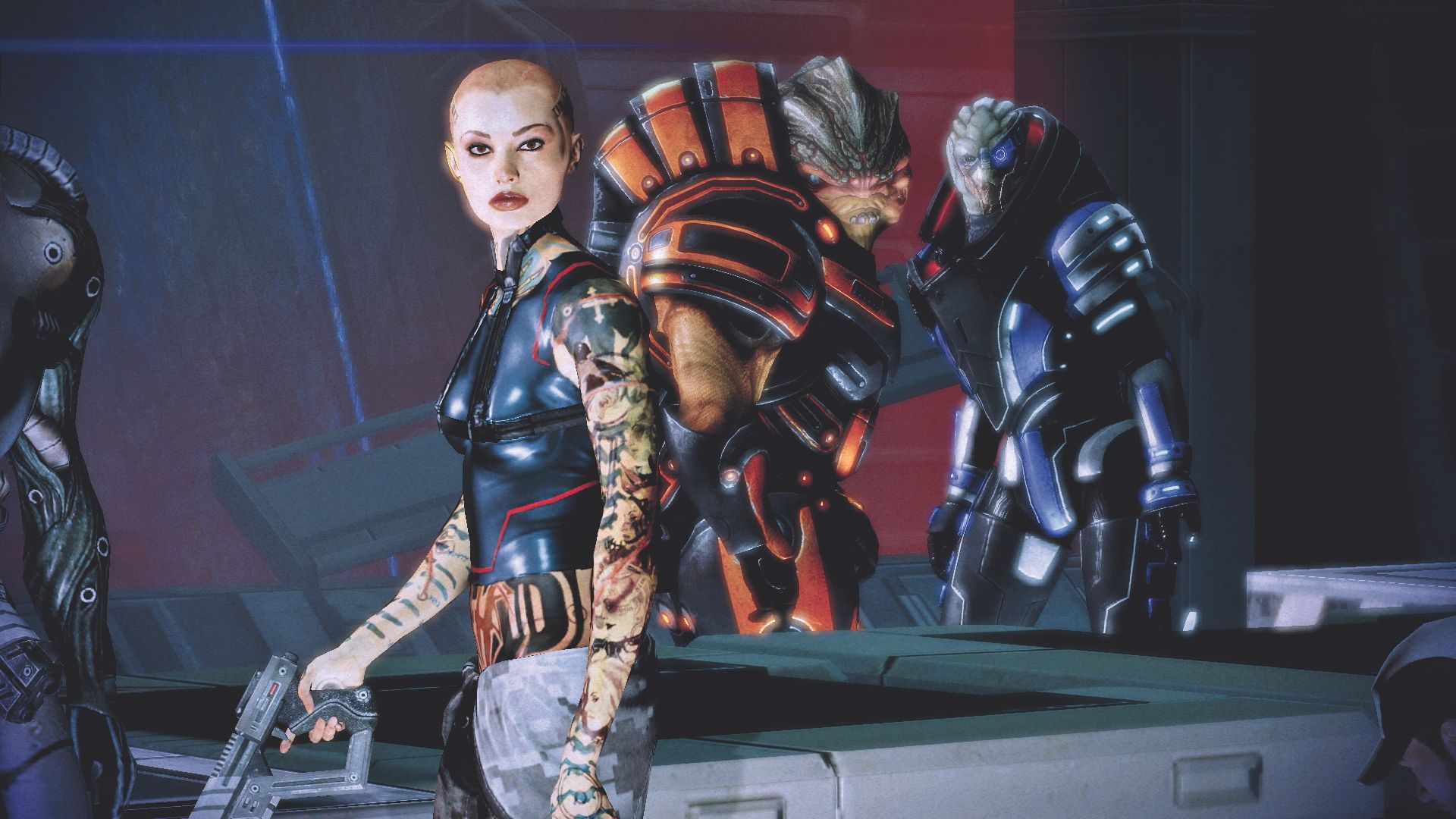
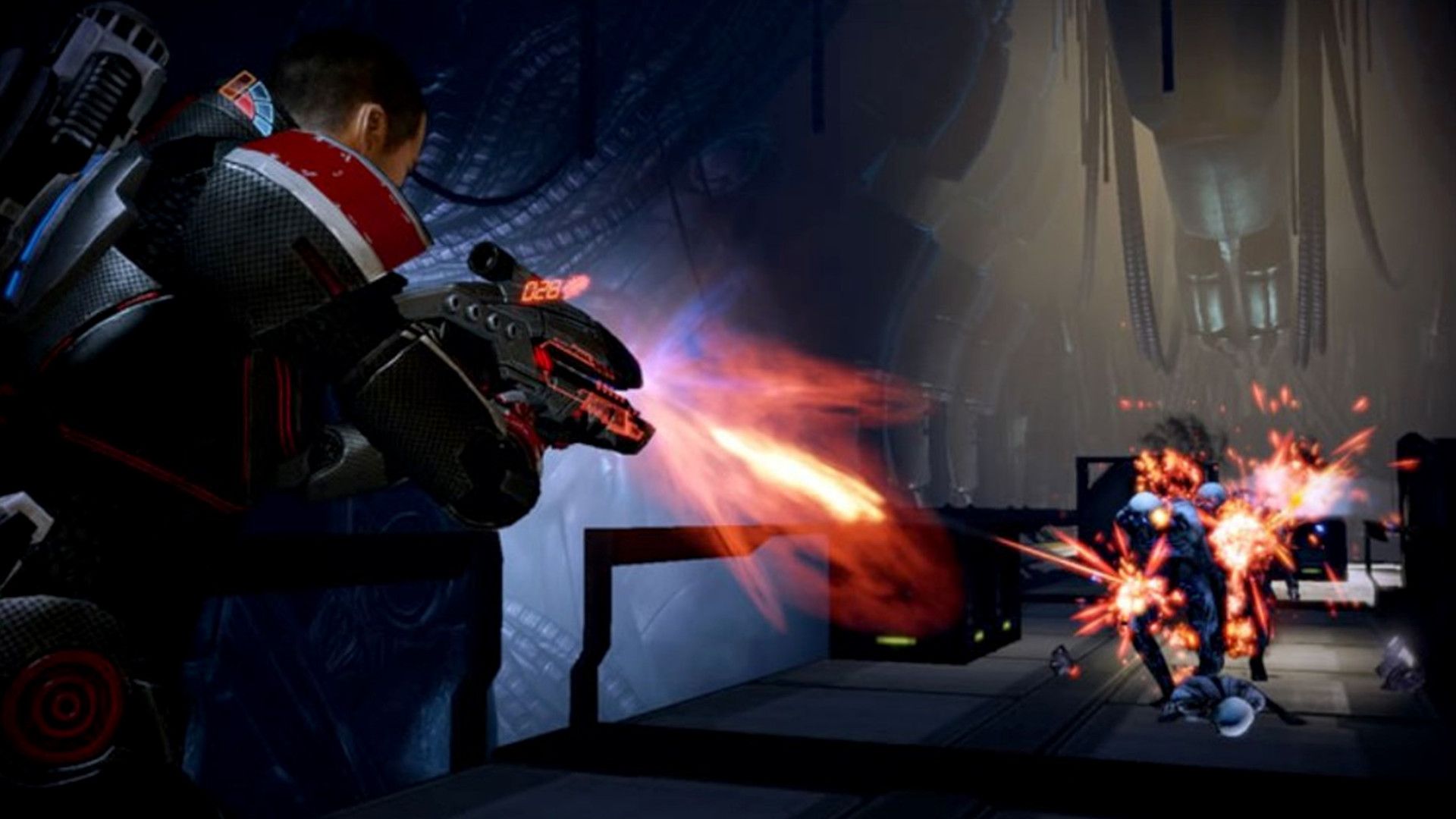
Dumb, not stupid. Players didn’t even have to wait for the introduction of the Reaper’s creepy new lackeys, the Collectors, before they started having to manage enemy damage, with a separate bar for each of them to track shields, barriers, armor and health. Of all the combat system revamps, this was perhaps the most crucial, a gentle subversion of the RPG’s long-tooth-type attacks that meant the series could ditch the notion of a tough fight in which health bars are hidden behind multiple blue shield blocks and bullet-sponge powers. Mass Effect 2 wouldn’t ask you to take on ice monsters that were weak to fire, but shields melted under the sustained pressure of an SMG, while the Reave biotic power stopped health regeneration so you could take down resistant organic organisms like the Krogan or the newly arrived nightmarish imps, the Vorcha. And you’d have to control space and damage, as enemies were just as aggressive as you, flanking, placing kill boxes, invading your personal space, or annihilating you with flamethrowers.
BioWare could afford to bury the needle north of frenetic, because any Shepard, regardless of gender or class, had a secret superpower: the ability to freeze time. While others have created entire games out of frozen moments, here they elegantly and invisibly support tactical play, as you let the stale air in your lungs seep from your lips, read the situation and adapt. Yes, Shepard may have been able to make enemies hilariously spin in slow motion through the air, and then biotically launch them into oblivion (kudos to whoever figured out how to take advantage of Unreal Engine 3’s physics simulations), but on higher difficulties, Mass Effect 2 became both a thinking man’s covert shooter and a heady power fantasy.
Whiz bang pop
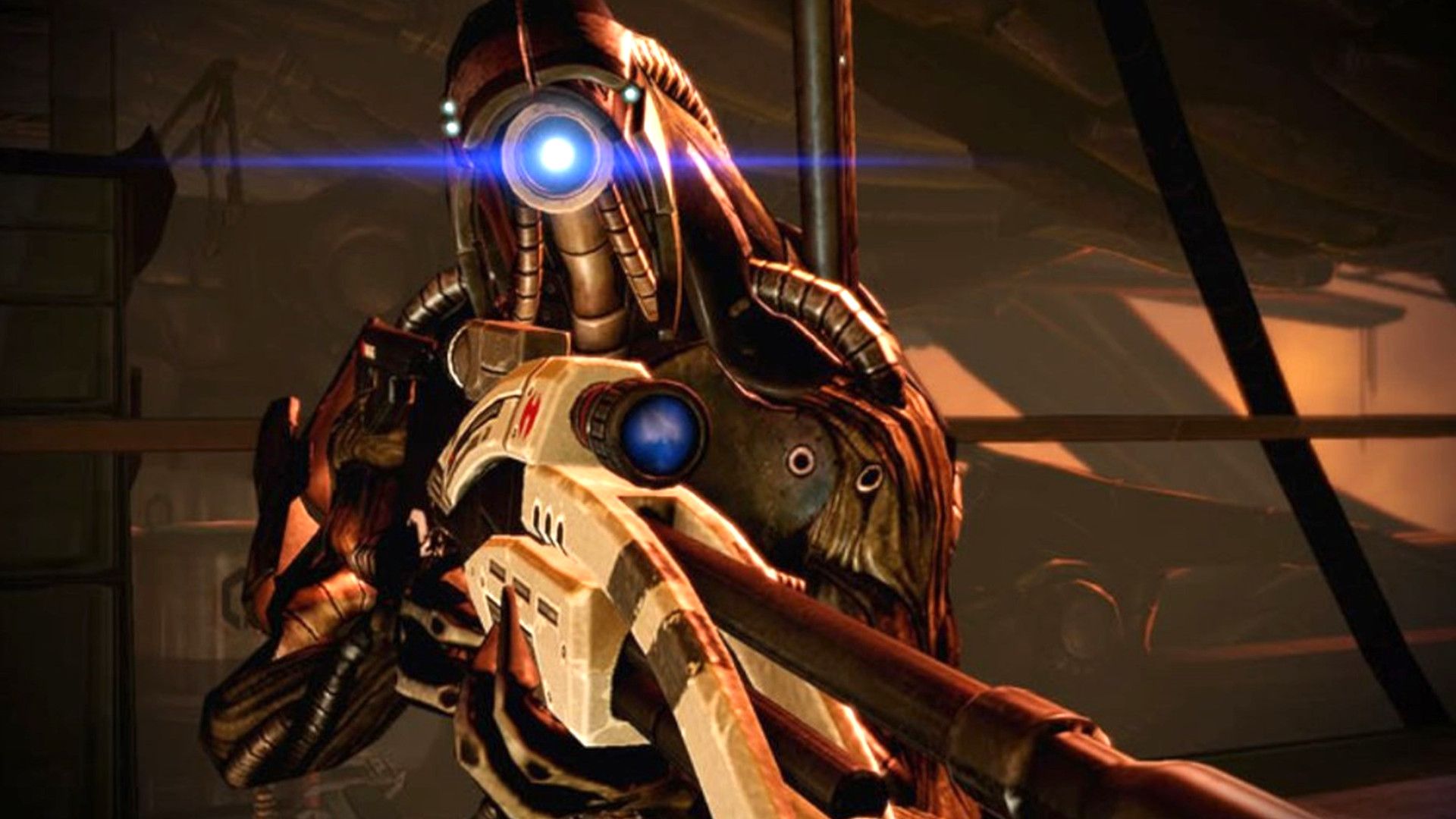
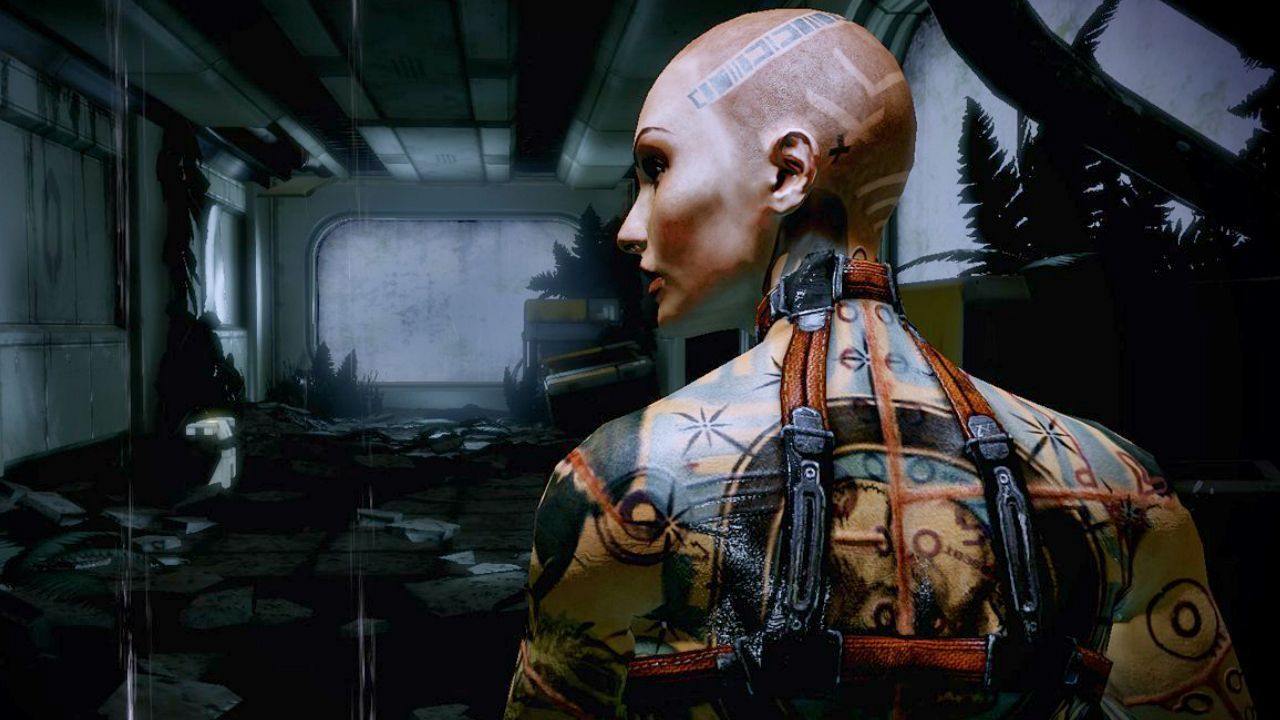
Filming brought the game in line with the best of its peers, but the series’ new sense of personal drama is what makes it unforgettable today. BioWare’s genius was to add a generous extra gulp of soap opera to its space opera mix, producing something of its own as a result. Where else in gaming can you assemble a team consisting of a dying half-monk, half-hitman seeking absolution on your noble suicide mission, a not-very-stable tattooed psychopath who looks like Natalie Portman in V for Vendetta, and an unflappable sentient machine housing 1,183 digital minds, let alone argue or seduce half of that team? You may have to re-form the old band, but damn if you haven’t brought in an orchestra of exotic new instruments along the way.
In fact, the reason Mass Effect 2 remains the series’ highlight is that it’s fundamentally a game about people, not concepts. Each Shepard is different, and so will their interactions, but those are simply filler between layers of rich character drama. Each main cast member has something to say. Miranda has to deal with the pressures of being designed for perfection, building an all-too-human ice wall after years of dealing with a pushy father. Garrus and Jacob the wet squib feel ineffective at their jobs, although the former also has a chewy revenge subplot. The list is too long to recount here, and loyalty missions double down on character development: success in the final act, where the entire galaxy is threatened, depends on resolving personal crises and changing internal universes.
Forget search missions, strip mining, and lunar caches: helping Jack get some closure from his time as Subject Zero at the hands of Cerberus seemed like it mattered. It’s these stories, these small moments of pathos and reconciliation, where BioWare finally grounds its big questions about life. Little by little, you begin to feel that it could be a tragedy to lose this universe, this diversity of damaged characters trying to find their way in the indifferent void, to the Reapers. By providing solid inner lives for its alien-filled cast, BioWare finally found the window into humanity it had been looking for.
Shepard’s uneasy alliance with Cerberus is the burning fuse that regularly threatens to detonate all of these volatile personalities, but it’s also an excuse to allow the player to stray from Paragon’s virtuous path if they so choose. Anecdotal evidence suggests that when given the choice, many will choose the good of video games over the bad of video games. But very often in games, the evil path is simply the stupid one where you act like an idiot to others for no good reason. Human civilization is based on social imperatives, so it is no surprise that many struggle to ignore their incentive-free conditioning. By presenting Shepard not as humanity’s white knight trying to earn our place in the stars, but as an agent of a pro-human terrorist group who cares more about results than ramifications, Renegade’s choices finally made a little more narrative sense.
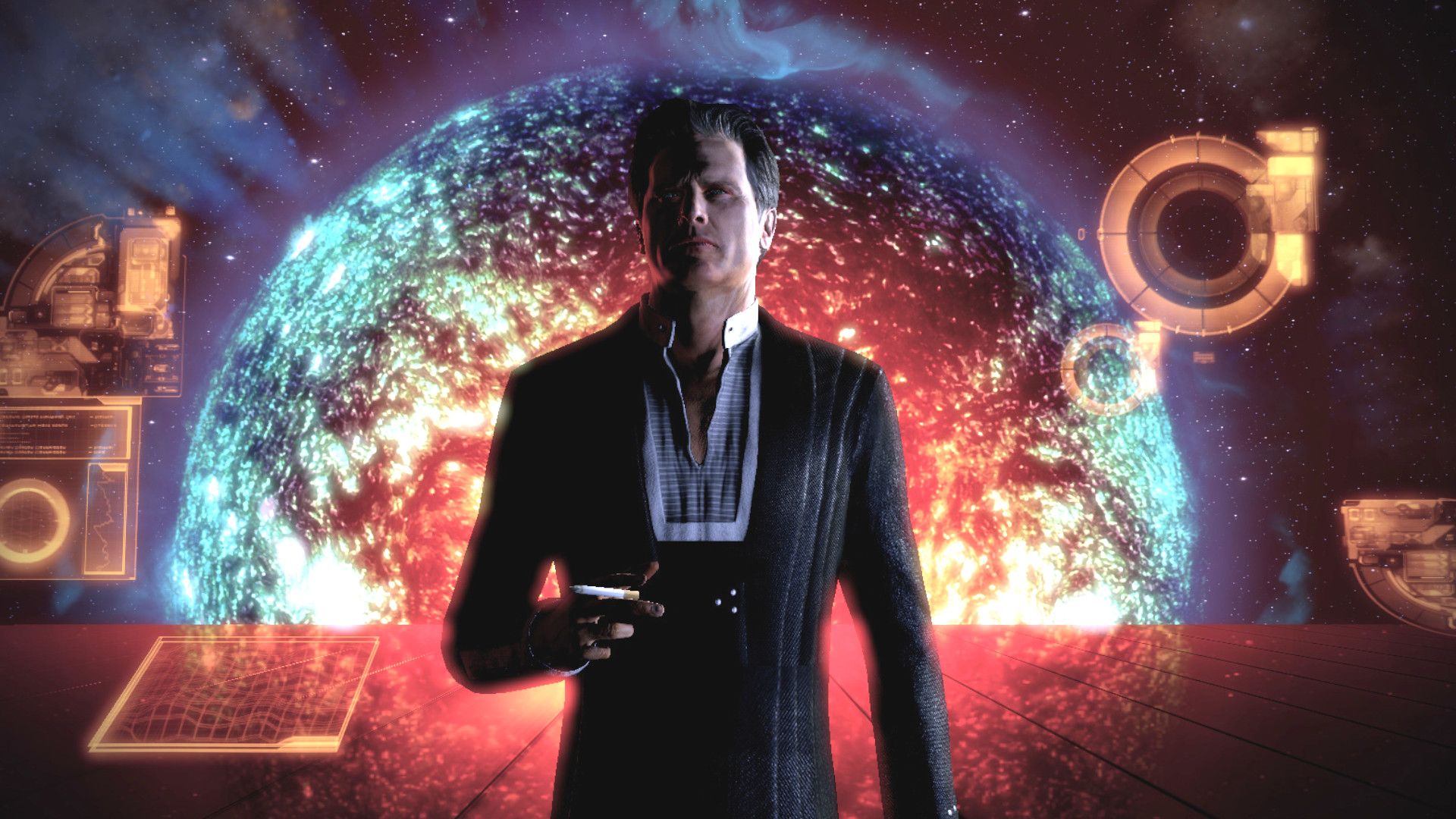
Which isn’t to say that Mass Effect 2 offered nuanced morality (that means counting more good and bad actions on separate scales), but at least it made RPGs more meaty. Would you Taser an engineer to sabotage a boss’s gunship later telegraphed to facilitate the fight? Or are you the kind of person who jumps in to defend a quarian from racial harassment at the hands of a pompous Volus and a corrupt cop? It’s possible you’re both, assuming you’re not gaming the system to max out some sort of conversation wheel option. Involving the player in everyday conflicts, as well as world-ending crises, gave the series an intimacy it lacked. Anyone can be a hero when the only criterion is that all the bad men are dead at the end, but the way you played Mass Effect 2 had the power to say something about you as a person.
It’s easy to forget, in the wake of Mass Effect 3’s reductive endings, how much Mass Effect 2 felt like a fulfillment of the series’ promise to respect your choices. Entire missions appeared or disappeared depending on your Mass Effect playthrough, old faces appeared in unexpected places, and you could alter the texture of the galaxy, even if the artifice involved meant the core structure had to be very similar. Replaying Mass Effect 2 now isn’t just an opportunity to pursue new combat and morality options; It’s a reminder of what the most ambitious ongoing video game saga set out to achieve, and how choice-driven the universe it provided was, even when it fell short.
Perhaps most importantly, it’s proof that just because something is a sequel doesn’t mean it can’t be a total reinvention, at least given a studio at the peak of its powers and a silly sound effect.
This Mass Effect 2 article was first published in Edge magazine issue 273. To get more articles like this delivered right to your door (or digital device), consider subscribe to edge.