 Skip to content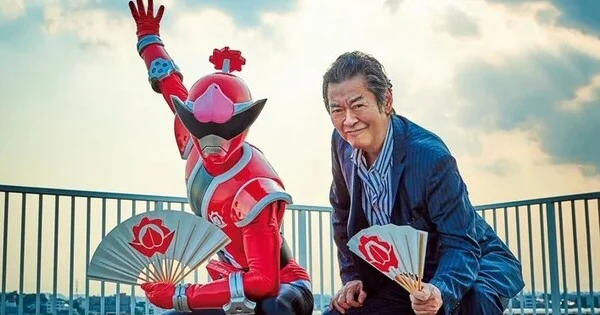
Come meet the man behind L and Light’s homoerotic foot massage scene.
Disclaimer:
The views and opinions expressed by the participants in this chatlog are not the views of Anime News Network.
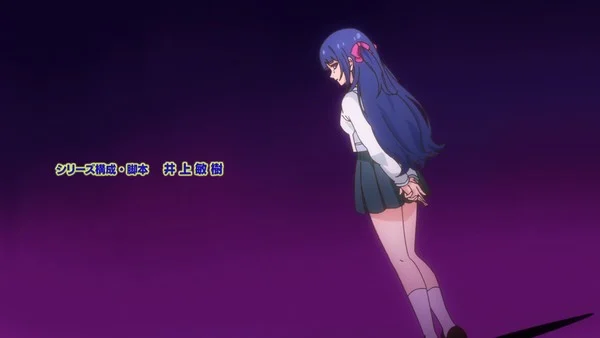
Coop, Jyuo Mujin Dandivine is out this season, and readers oughta know we’re excited about it mostly because it lets us discuss a topic near and dear to our hearts.
© グッドスマイルカンパニー・ライデンフィルム/DANDIVINE Project
Mecha anime? Not this time. Transforming robot toys? We would never tempt fate (Lynzee) like that again.
© グッドスマイルカンパニー・ライデンフィルム/DANDIVINE Project
Nah, it’s only time at last for us to talk the man, the myth, the often incomprehensible legend: Toshiki Inoue.
© WeeklySpa / FUSHOSHA
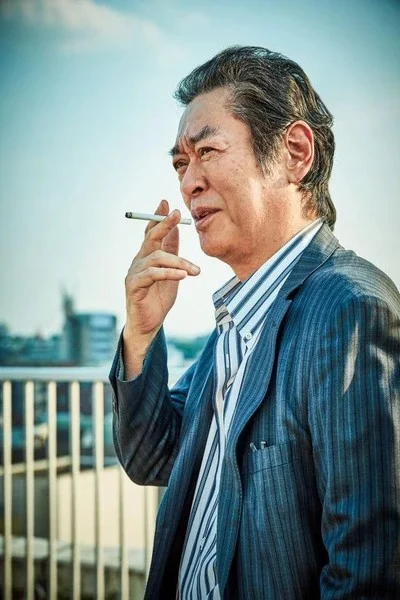
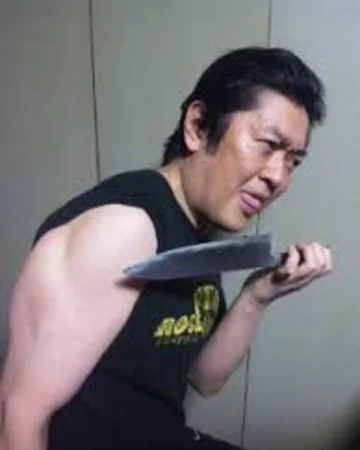
A legend, indeed. If you’ve been in the anime or bugman appreciator space for any amount of time, you’ve probably brushed against Toshiki Inoue‘s occasionally polarizing yet wildly entertaining work. Many stories abound regarding the storied screenwriter—from his status as the only man who can smoke in the MADHOUSE offices to his close relationship with fan-favorite Kamen Rider Kaixa actor, Kohei Murakami. And I won’t lie, there are so few officially translated interviews with Inoue (two to be exact, the ones on Cutie Honey: The Live and The Kamen Rider Dyad Blu-ray sets) that his cool yet eccentric persona has taken on a life of its own. Just look at his social media—the man likes to have himself a smoke and play with his knives on occasion. I totally get it.
© Toshiki Inoue
But we can say this for sure: Toshiki Inoue is a pillar of Japanese television, and his body of work more than backs that statement up.
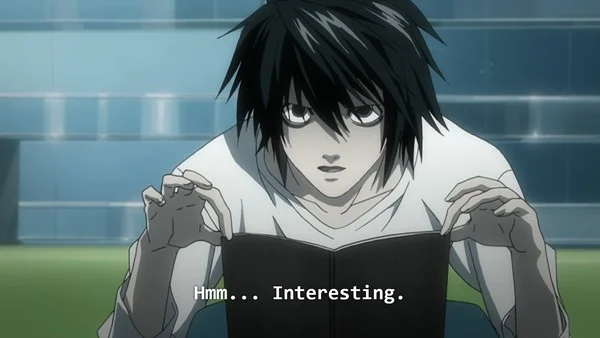
© Tsugumi Ohba, Takeshi Obata/Shueisha ©DNDP, VAP, Shueisha, Madhouse
That is, while tokusatsu fans feel more familiar with Inoue, his anime credits run deep, including on hit adaptations like Ranma 1/2 and Death Note. Hell, he got his anime start on Dr. Slump. And of course he’s contributed to a ton of original projects. Anyone remember Galaxy Angel? He wrote Galaxy Angel.
its always a good time to post this
[image or embed]
— doro (@dorothree.bsky.social) November 17, 2025 at 6:52 AM
Guy has been on the ball since the mid-80s, even if he’s occasionally tripped and fallen into a river like his many Kamen Rider protagonists.
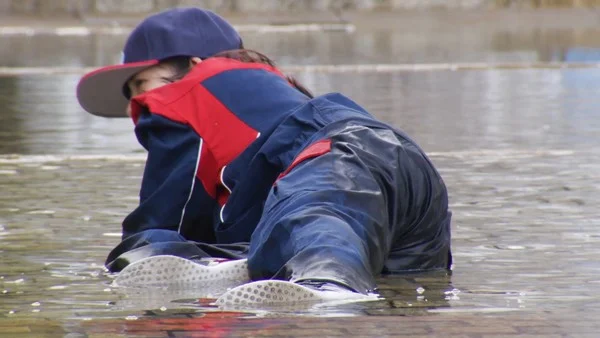
© テレビ朝日・東映AG・東映
Speaking of duos, that Dirty Pair episode is a good examination of Inoue’s efforts through eras and those eccentricities that he’s always deployed. We post that scene all the time, because it’s awesome, but have people actually watched episode 7 of Dirty Pair TV? It’s a madcap mishmash of bunny boys, burger subterfuge, and time-travel tourism.
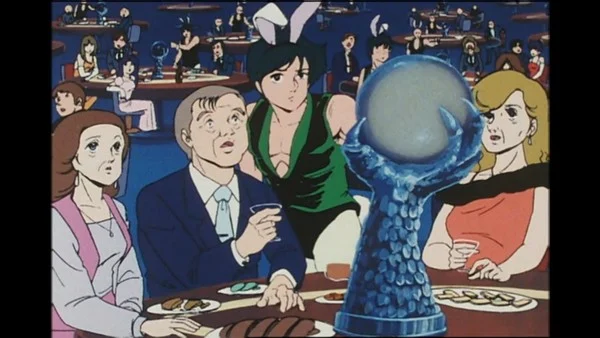 © Takachiho&Studio Nue • SUNRISE | 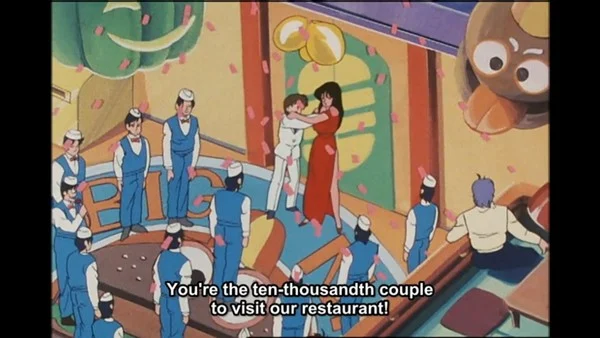 © Takachiho&Studio Nue • SUNRISE |
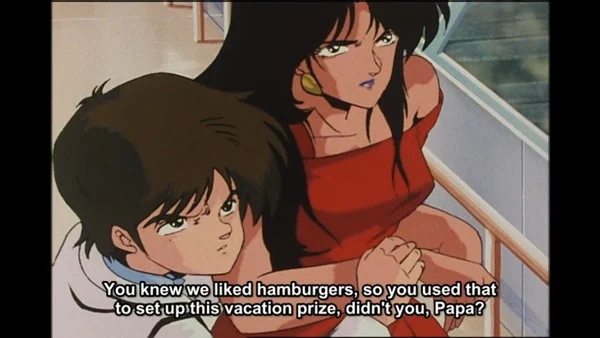 © Takachiho&Studio Nue • SUNRISE | 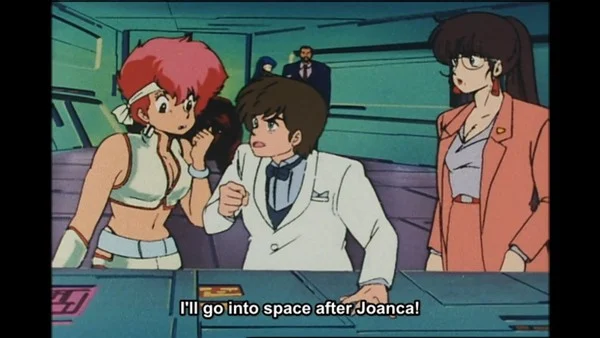 © Takachiho&Studio Nue • SUNRISE |
Its own kind of absurd awesome all the way down.
Allegedly inspired by Twin Peaks (another series that falls into that “great time even if it has issues” bucket), Kamen Rider Agito opens up with a horrifying mystery for our amnesiac hero and the police to solve. However, when we get closer to the conclusion, one tends to notice how the material is being stretched and messaged to carry a whole year’s run on the air—an issue every Kamen Rider and Super Sentai series has brushed up against. But what makes Inoue’s writing even more compelling is that he’s not afraid to take wild swings at the very end either. Just ask your nearest tokusatsu fan about Jetman‘s Gai.
By the way, I’m so glad we live in a world in which Agito has proper English subtitles now…even if they’re set to evaporate at the end of the month.
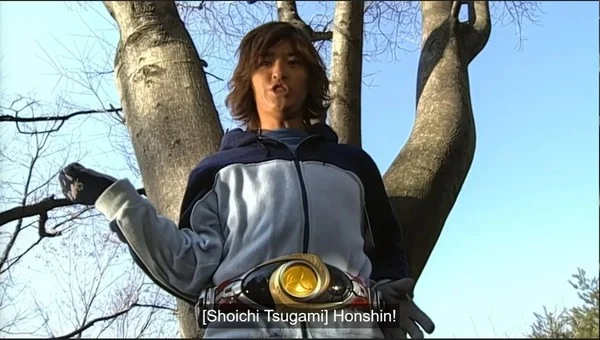
© 石森プロ・テレビ朝日・ADK EM・東映
Having announcements for Agito and Kabuto (which we’ll probably also bring up) is another bittersweet tie-in to this Inoue incident. And it’s a reminder that his Rider work is only part of the tokusatsu story. The guy cut his teeth on a ton of episodes of that franchise‘s sister series, Super Sentai, before hitting the head writer gig with 1991’s aforementioned Jetman.
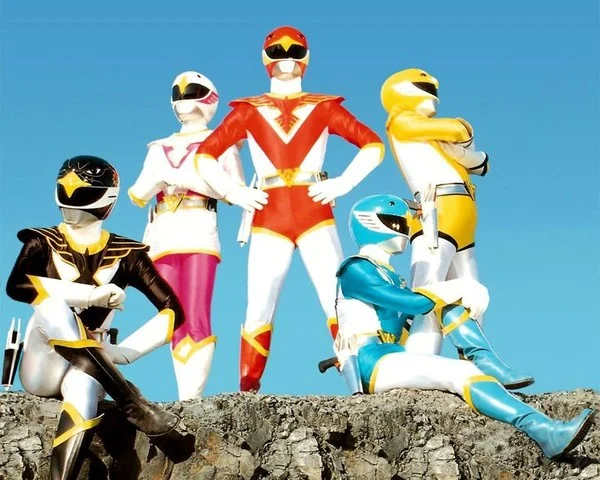
© Toei Company Ltd. All Rights Reserved.
And like, there’s a reason Jetman is one of the most popular Sentai entries, including one of my all-time favorites! Inoue really cut loose with his interest in the inherent friction and misunderstandings between people to deliver a team of heroes that was dysfunctional in a way that hadn’t really been done before in this franchise! You mentioned Gai’s shocking end, but just having a character like that, a real reprehensible criminal of a character, as a main-team Ranger would be unheard of, and his arc worked through that. Though even with him, I can’t lie, my actual favorite part of this show is Ako.
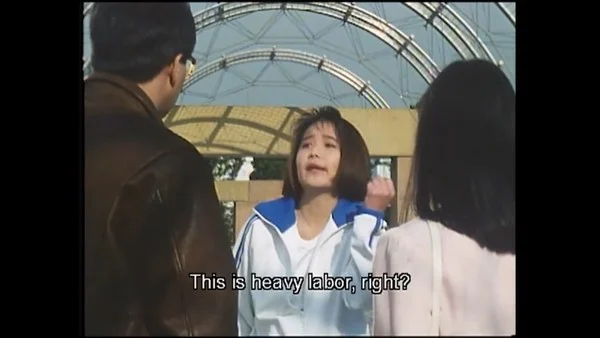
© Toei Company Ltd. All Rights Reserved.
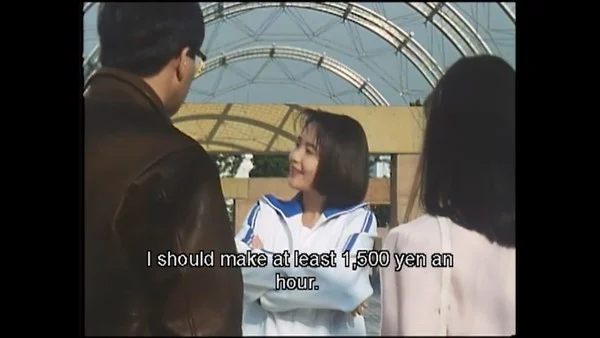
© Toei Company Ltd. All Rights Reserved.
Inoue would hone that dysfunctional group dynamic for a ton of his other projects, but it’s frustrating that it’s not easier to stream Jetman (or any other original Sentai) to see how he got there before. At least I’ve got my DVDs…

© ISHIMORI PRODUCTION INC. AND TOEI COMPANY LTD.
But before I keep my eyes on the next Faiz, tokusatsu runs in the blood for Inoue. His father, Masaru Igami, was a key writer on the original Kamen Rider television series, so that has some obvious influence. That’s not all; his daughter went on to the final Super Sentai series, No. 1 Sentai Gozyuger (which has quite the dysfunctional cast of its own). They’ve got something of a family affair going on with their heroes.
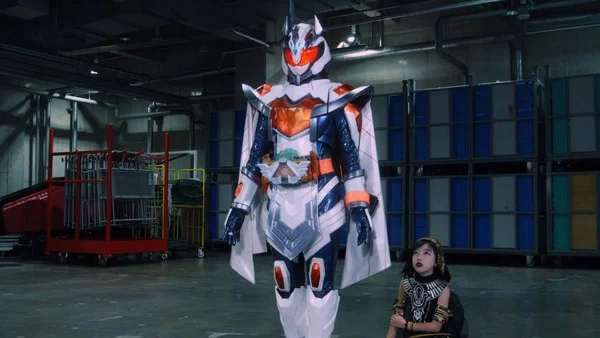
© 2023 石森プロ・テレビ朝日・ADK EM・東映
But lest we get too far into family subplots (lord knows Toshiki Inoue has written a few of those too) or surreptitiously turn this into a total tokusatsu column, it is important to round back to how well-rounded Inoue’s work is. His anime work trends toward adaptations, but he’s also collaborated on original works (like Dandivine) and even taken a stab at being a manga-ka in partnership with Keita Amemiya on Sword Gai, which got its own Netflix anime years back.
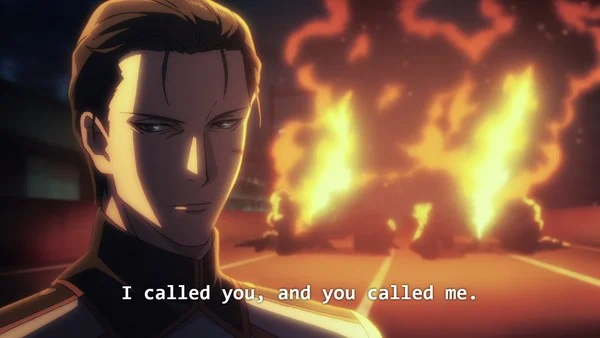
© 雨宮慶太・井上敏樹・木根ヲサム・HERO’S/ソードガイ製作委員会
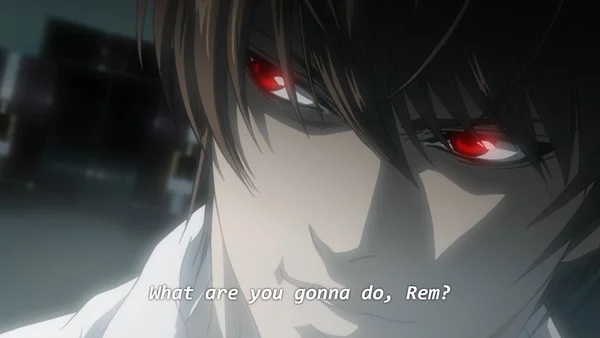
© Tsugumi Ohba, Takeshi Obata/Shueisha ©DNDP, VAP, Shueisha, Madhouse
Of course, he’s going to revel in a story about characters intentionally sowing misunderstandings among each other. Inoue really dials up the camp in Death Note in a way that rings familiar if you’ve seen so many of his toku treatments.
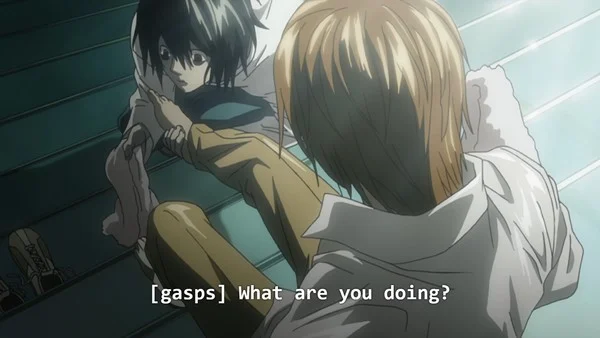
© Tsugumi Ohba, Takeshi Obata/Shueisha ©DNDP, VAP, Shueisha, Madhouse
That and the homoeroticism. Of course this guy would come up with the galaxy-brain idea of writing in a whole new L/Light foot-massage scene into a climactic episode.
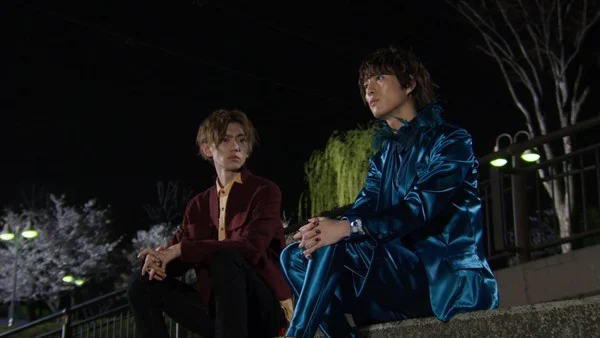
© テレビ朝日・東映AG・東映
It might be all the Yuri!!! on Ice and Heated Rivalry I watched over the weekend talking.
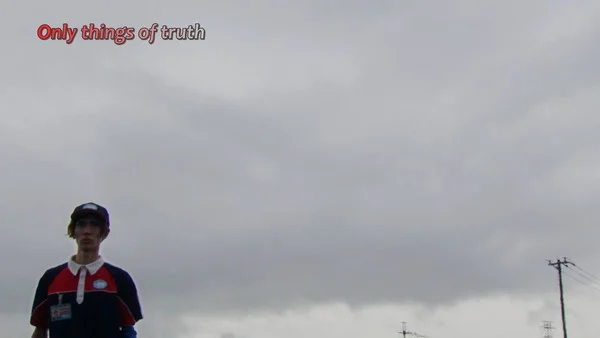 © テレビ朝日・東映AG・東映 | 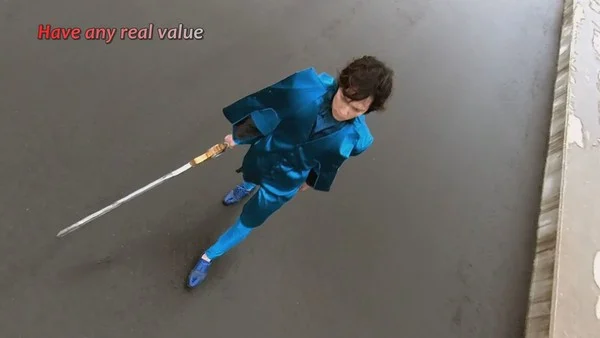 © テレビ朝日・東映AG・東映 |
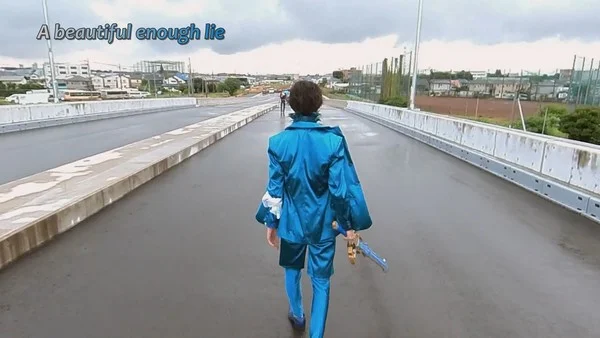 © テレビ朝日・東映AG・東映 |  © テレビ朝日・東映AG・東映 |
It has a lot more going on than that too, of course. Donbrothers is absolutely an ur-Inoue work, as he throws down a lot of ideas and a lot of feelings about weekly children’s superhero series—both watching and writing them. It’s got a lot of his typical tropes, including heroes who are eccentric freaks of some sort, and of course plenty of weird food stuff. But it’s ultimately about how spending time with others, even in the format of stretching out episodes over a year of television, can make an impact and change people.
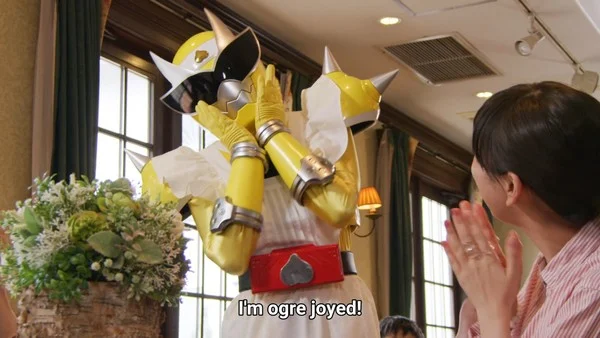
© テレビ朝日・東映AG・東映
Those are the broad strokes, of course. What was really neat about Donbrothers was how it, in all its effective eccentricities, endeared a lot of people to Inoue in this unleashed state and even got them to reappraise some of his previously uneven works that employed many of these same tropes, like the aforementioned Kamen Rider 555.

© ISHIMORI PRODUCTION INC. AND TOEI COMPANY LTD.
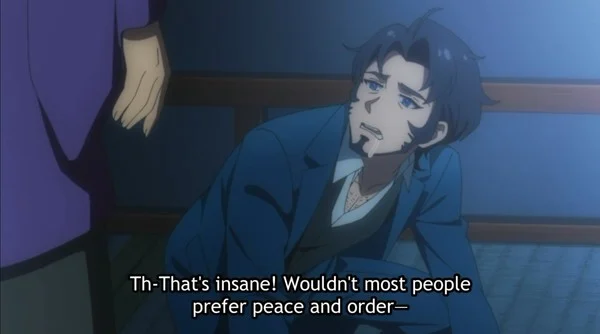 © グッドスマイルカンパニー・ライデンフィルム/DANDIVINE Project | 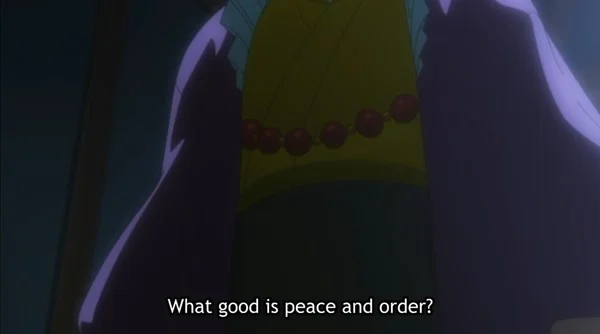 © グッドスマイルカンパニー・ライデンフィルム/DANDIVINE Project |
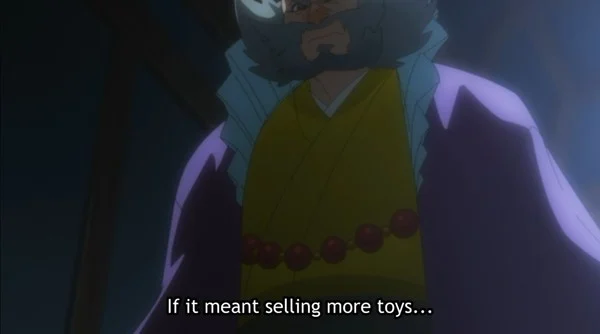 © グッドスマイルカンパニー・ライデンフィルム/DANDIVINE Project | 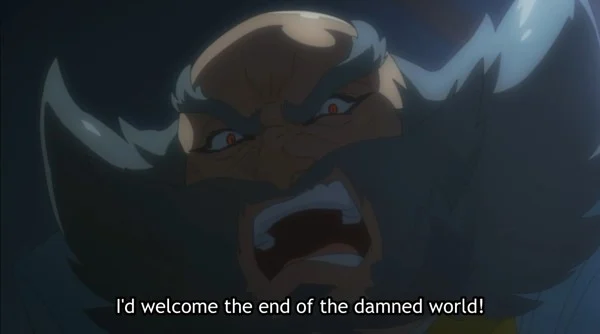 © グッドスマイルカンパニー・ライデンフィルム/DANDIVINE Project |
After years and years of writing around toys, it’s quite refreshing to see Inoue take the piss out of his experiences with the industry and how it intersects with his work. I know folks are generally a little cool on Dandivine‘s premiere, but I’m finding myself pretty confident that the plot is going to poke all the fun at the series’ seemingly stock anime and toy commercial elements.
© グッドスマイルカンパニー・ライデンフィルム/DANDIVINE Project
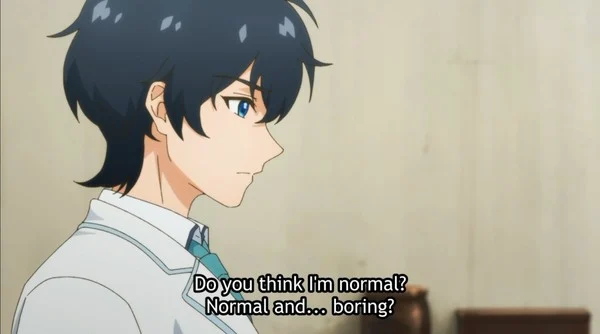
I mentioned that Inoue’s lead characters can trend toward eccentric weirdos defined by their extremes, so it absolutely works to see him put forward a main character who is so normal and so average that it…leads to him being perceived as an eccentric weirdo. And its own piss-take on cookie-cutter protags in modern anime entries.
 © グッドスマイルカンパニー・ライデンフィルム/DANDIVINE Project | 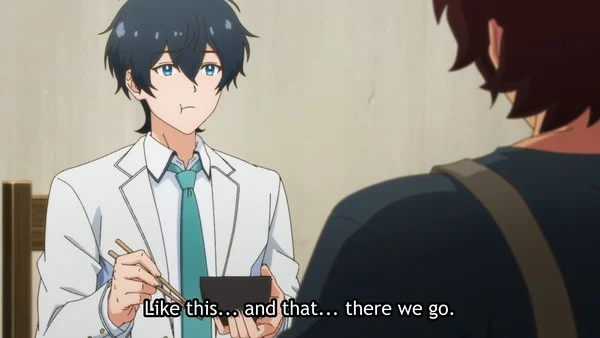 © グッドスマイルカンパニー・ライデンフィルム/DANDIVINE Project |
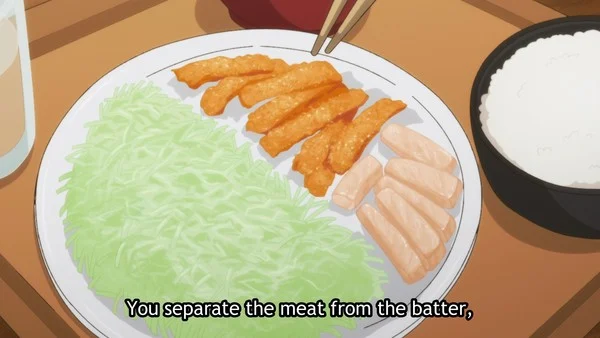 © グッドスマイルカンパニー・ライデンフィルム/DANDIVINE Project | 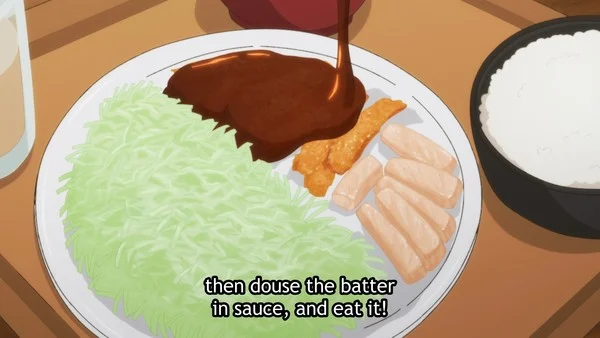 © グッドスマイルカンパニー・ライデンフィルム/DANDIVINE Project |
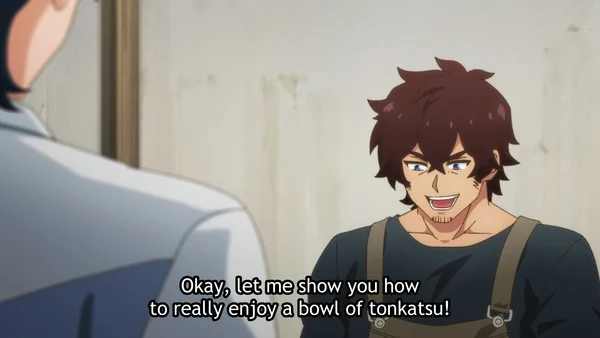
Plus, he’s got someone being an absolute freak about food.
I also realize that much of the writing here might only really sing if you’re familiar with Inoue’s tokusatsu oeuvre. There are plenty of little eccentricities that you or I will grab onto right way, but not so much for those coming into this cold. But on the other hand, it’s a pleasure to watch anything from a creative team that has very specific voice.
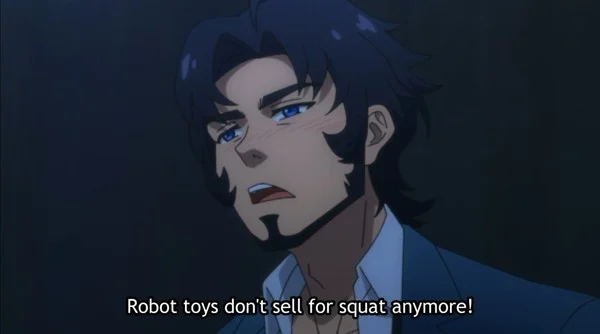
© グッドスマイルカンパニー・ライデンフィルム/DANDIVINE Project
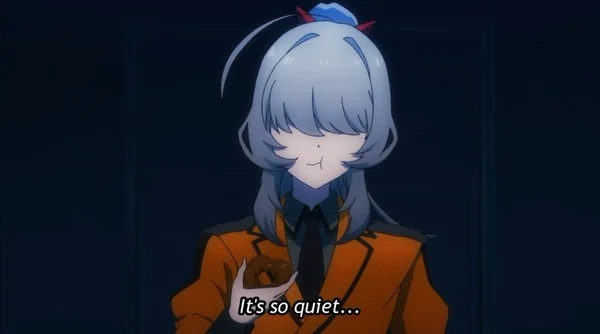
© グッドスマイルカンパニー・ライデンフィルム/DANDIVINE Project
But then I also heard what felt like nothing but cold takes on Sword Gai for years, and it turns out that show actually kinda whips, so maybe I am just a sucker for Inoue’s stuff, specifically.
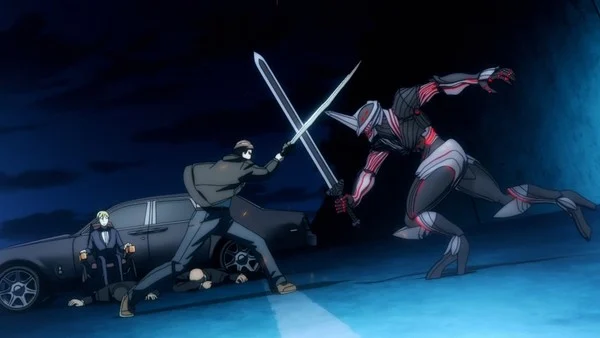
© 雨宮慶太・井上敏樹・木根ヲサム・HERO’S/ソードガイ製作委員会
When I was muuuuuuuch younger (roughly around the airing of Kamen Rider Kiva), I remember picking up way too much secondhand cynicism about his work. But in the nearly twenty years since then, I’ve come to deeply appreciate Inoue’s writing for those aforementioned touches. He knows absolutely what kind of writer he is and just goes for it. That’s something I can’t help but admire, even if not all of his swings are homeruns.
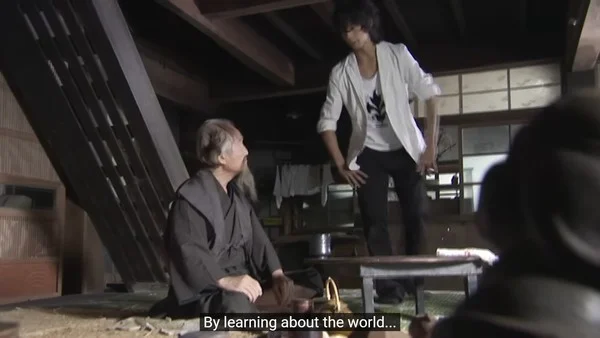 © 石森プロ・テレビ朝日・ADK EM・東映 | 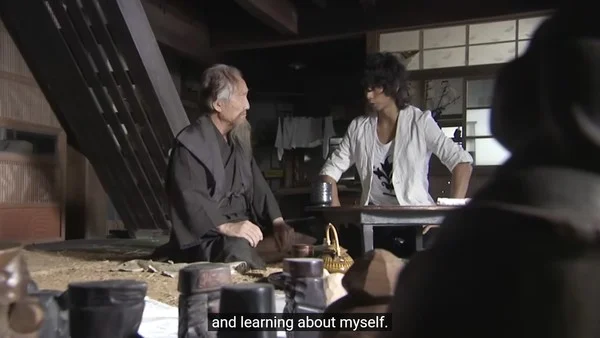 © 石森プロ・テレビ朝日・ADK EM・東映 |
Maybe it comes from being a writer myself, but I’ve come to most appreciate works where I can feel the writer and their personal idiosyncrasies behind the work. Inoue’s writing, especially as it’s gone on and interfaced with so many of the similar mediums and stories, has a lot of that striving personal stamp felt in it.
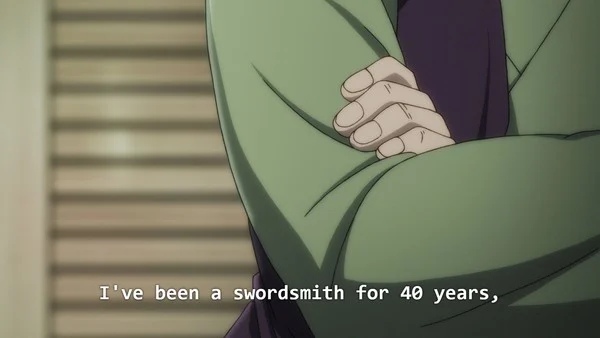 © 雨宮慶太・井上敏樹・木根ヲサム・HERO’S/ソードガイ製作委員会 | 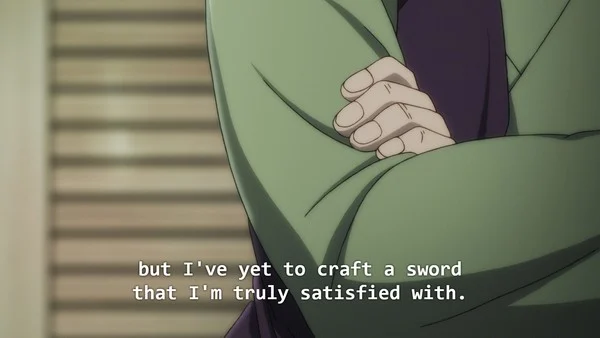 © 雨宮慶太・井上敏樹・木根ヲサム・HERO’S/ソードガイ製作委員会 |
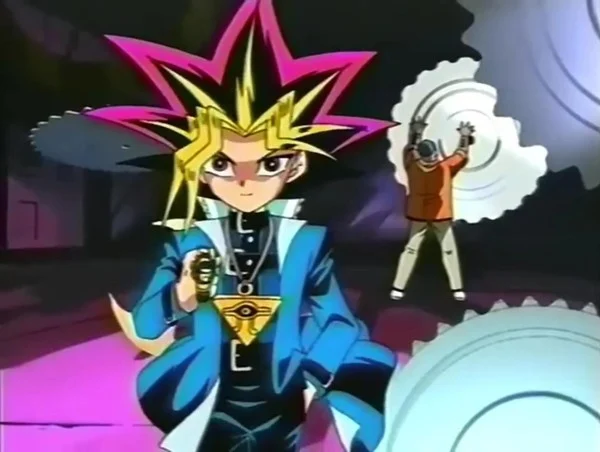
© 高橋和希/集英社・テレビ朝日・電通・東映アニメーション
It does speak to the sheer size of Inoue’s body of work that’s out there, and how crisscrossed across genres he can be. He contributed to the GARO tokusatsu series (there’s Keita Amemiya again) and then got to head off one of its anime spin-off seasons in Garo: Crimson Moon.
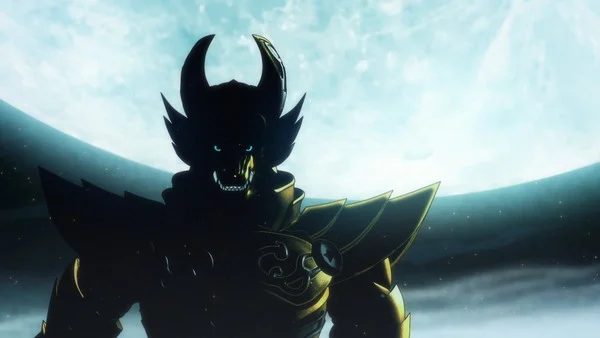
© 2015 “GARO THE ANIMATION 2” Keita Amemiya/ Tohokushinsha
The previous season of the GARO anime was helmed by Inoue’s similarly steeped colleague Yasuko Kobayashi (god we could do a whole column on her if we wanted to). Inoue is dense into this sphere!
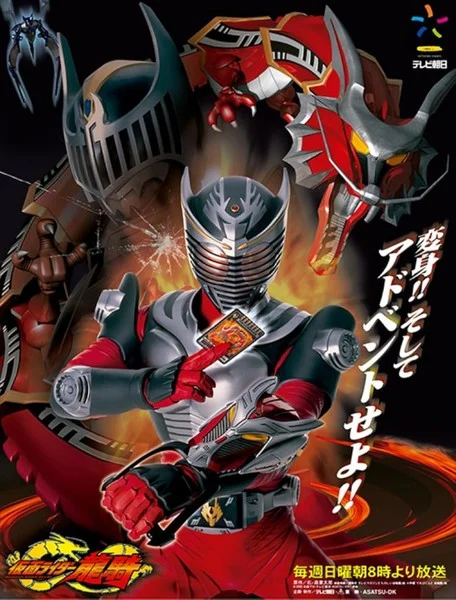
© ISHIMORI PRODUCTION INC. AND TOEI COMPANY LTD.
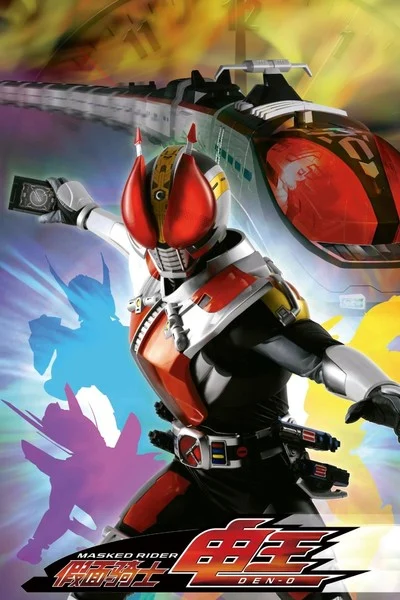
© ISHIMORI PRODUCTION INC. AND TOEI COMPANY LTD.
Hey, Inoue did the movie for Ryuki! I’m telling you, Coop, this is bigger than both of us!
The climax never stops, Chris.
In revisiting Inoue’s greatest hits for this column, I’ve been shocked just how much anime we’ve covered. My inner Lynzee is telling me that we’ve achieved proper anime-bugman balance…and that’s just through the strength of this screenwriting legend’s varied career.
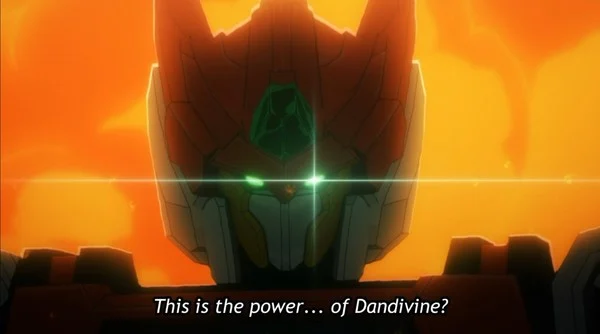
© グッドスマイルカンパニー・ライデンフィルム/DANDIVINE Project
It’s fun to sample the sheer amount of flavors available from a storied creator of tales that’s been active as long as he has. And spot some of the parallels along the way.
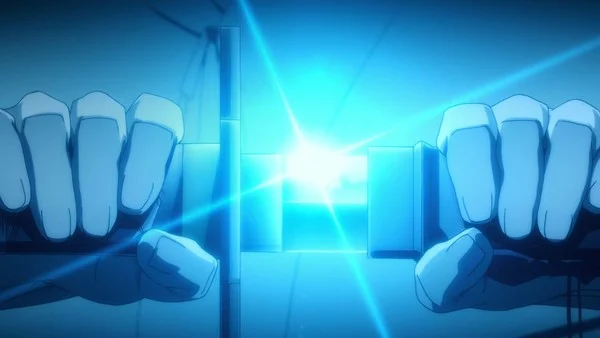
© 雨宮慶太・井上敏樹・木根ヲサム・HERO’S/ソードガイ製作委員会
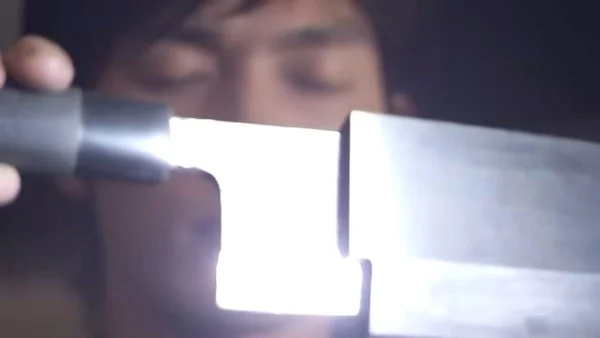
© 石森プロ・テレビ朝日・ADK EM・東映
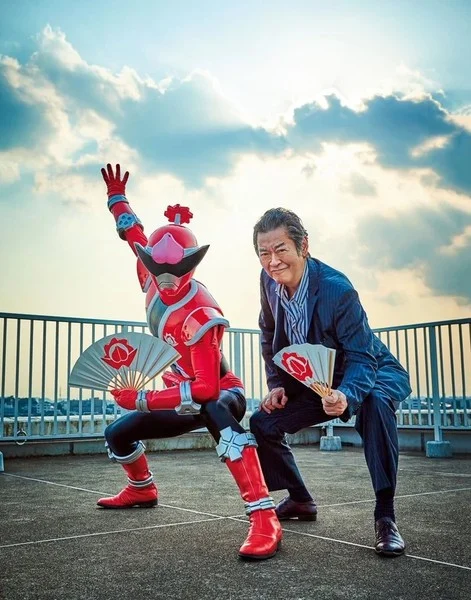
© WeeklySpa / FUSHOSHA